Project overview
The mine sits in central Inner Mongolia, in the industrial belt where coal and base-metal sites have leaned on grid power plus diesel backup for decades. By 2022 two things had changed for operations in this region. Inner Mongolia generates more wind power than any other Chinese province, but local feeder constraints remain a live operational issue — the grid can’t absorb large midday PV surpluses at site level without overvoltage events that trip protection relays, even as regional curtailment rates have fallen significantly from their 2016 peak above 20%. At the same time, regional time-of-use demand charges climbed faster than energy charges, so the largest line item on the operator’s electricity bill wasn’t kWh consumption. It was the mine’s evening peak — driven by simultaneous shift-change conveyor, processing plant, and ventilation fan ramps — and a scope-2 emissions commitment that required on-site renewable integration the existing grid feeder couldn’t absorb without a costly substation upgrade.
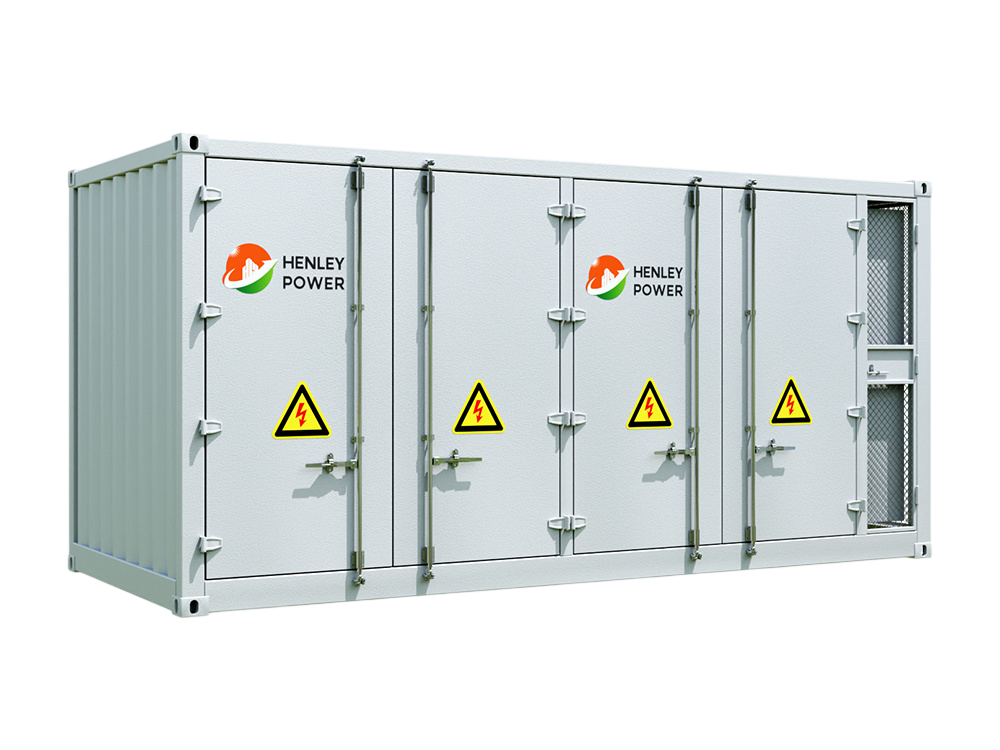
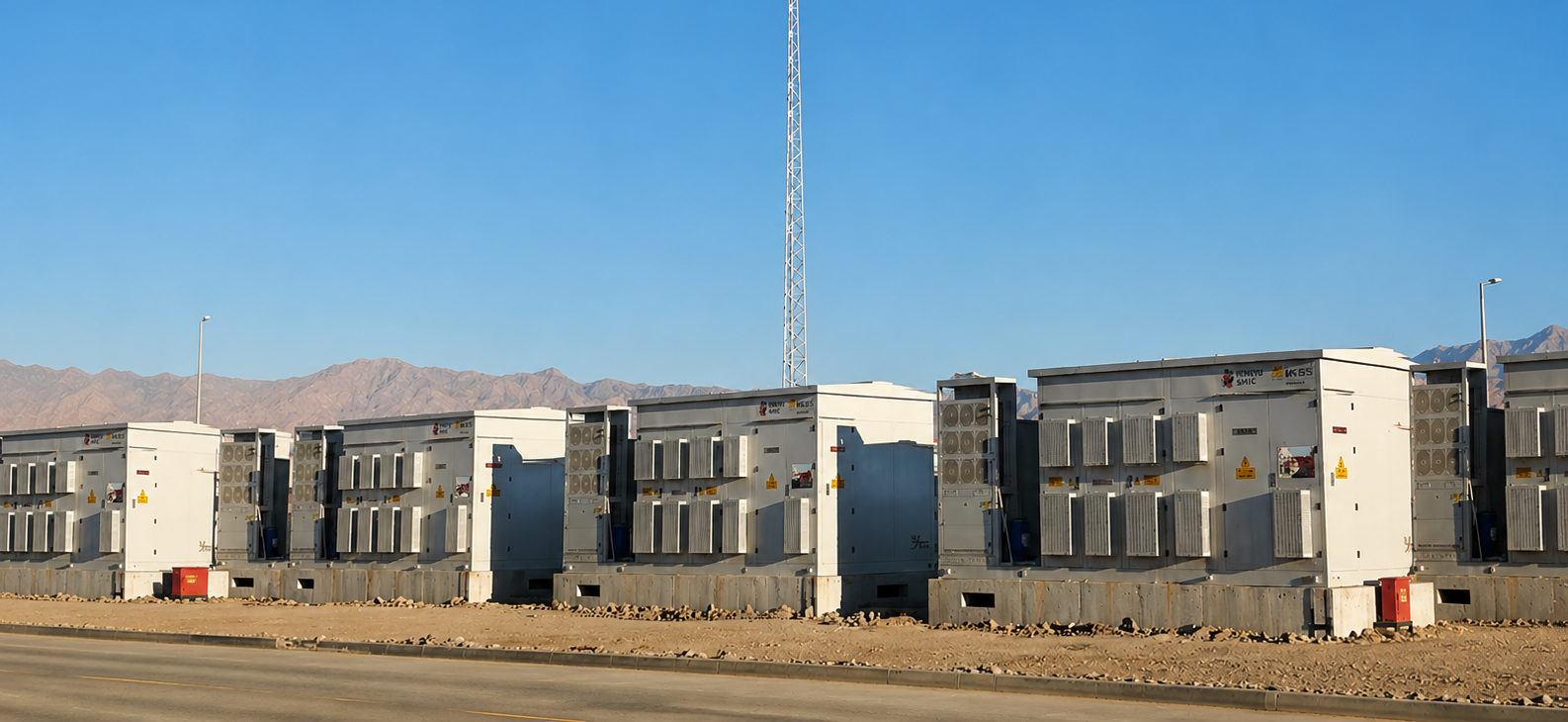
Standard utility BESS deployments in 2023 were sized for frequency regulation or pure peak shaving. This project couldn’t be solved with a single-application design. The mine needed a system that could shave the 2-hour evening peak window, absorb on-site renewable generation, and hold enough power-quality reserve to keep crusher motor inrush events from triggering grid-side voltage excursions. Tender evaluation landed on 300 MWh of energy capacity at 150 MW BESS rated power, 2-hour discharge, with grid-following operation tied to the regional dispatch operator’s interface. Henley Power’s HLY-BESS-Utility-5MWh platform fit cleanly: 60 containerized blocks in parallel, grouped into 4 PCS array clusters at the mine’s medium-voltage bus, with control logic that isolates faults at the block level rather than dropping the full system.
What got Henley Power selected over the externally-rated integrators on the shortlist wasn’t price alone. Two of the four shortlisted bidders carry external manufacturer rating-tier listings. The mining operator’s internal asset-finance team needed documentation depth: IEC test reports under NDA, multi-supplier cell homologation records, parent-warranty mechanics with named insurer fallback, and FSR documentation aligned to the project’s financing structure. Henley Power’s contracting position is direct manufacturer-to-buyer: one signatory, one warranty chain, one accountability path. Cell sourcing on this project follows Henley Power’s standard public position: Tier-1 LFP cells from publicly listed manufacturers, multi-supplier homologated — specific suppliers documented under NDA in the project bankability dossier, never on public pages. The system has been operating since commissioning in 2024. It’s been collecting cycle field data against design assumptions for a Q3 2026 24-month performance disclosure window.
PAIN POINTS ADDRESSED
01
02
03
SITE DOCUMENTATION
PROJECT FAQ
Related Henley Power products
Related projects