Project overview
The site sits in Moldova’s central agricultural belt. Two things changed between 2022 and 2025 that created the storage business case. Moldova’s electricity grid synchronized with ENTSO-E continental Europe in March 2022, ending three decades of operational alignment with the post-Soviet IPS/UPS system. Then in early 2024, OPEM — a subsidiary of Romania’s OPCOM exchange — was designated as Moldova’s electricity market operator under the Energy Community Treaty acquis, with the day-ahead market itself launching on December 10, 2025. Electricity pricing began moving away from flat regulated tariffs under ANRE toward hourly market signals. The 6–9 PM evening peak coincides with when Moldovan industrial loads run flat-out, and the structural mismatch between flat-tariff revenue and rising peak-period replacement costs created the storage business case. The agro-holding’s generation didn’t match its consumption: PV peaked at midday when processing load was lower, biogas ran near-continuously, and the site exported low-priced surplus while importing high-priced peak.
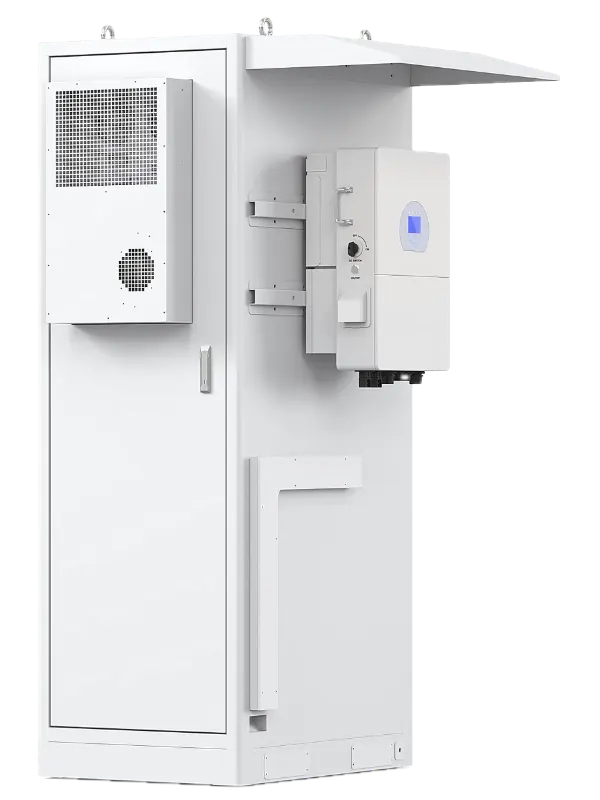
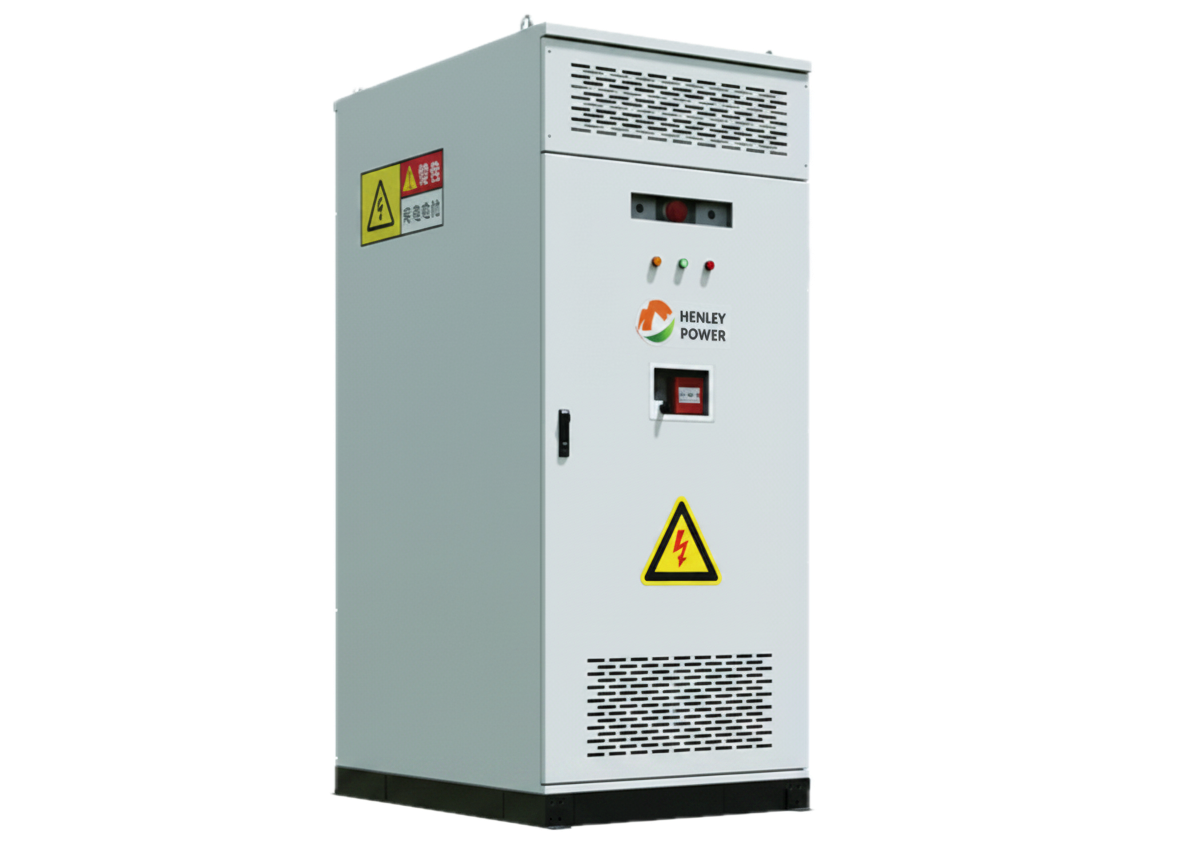
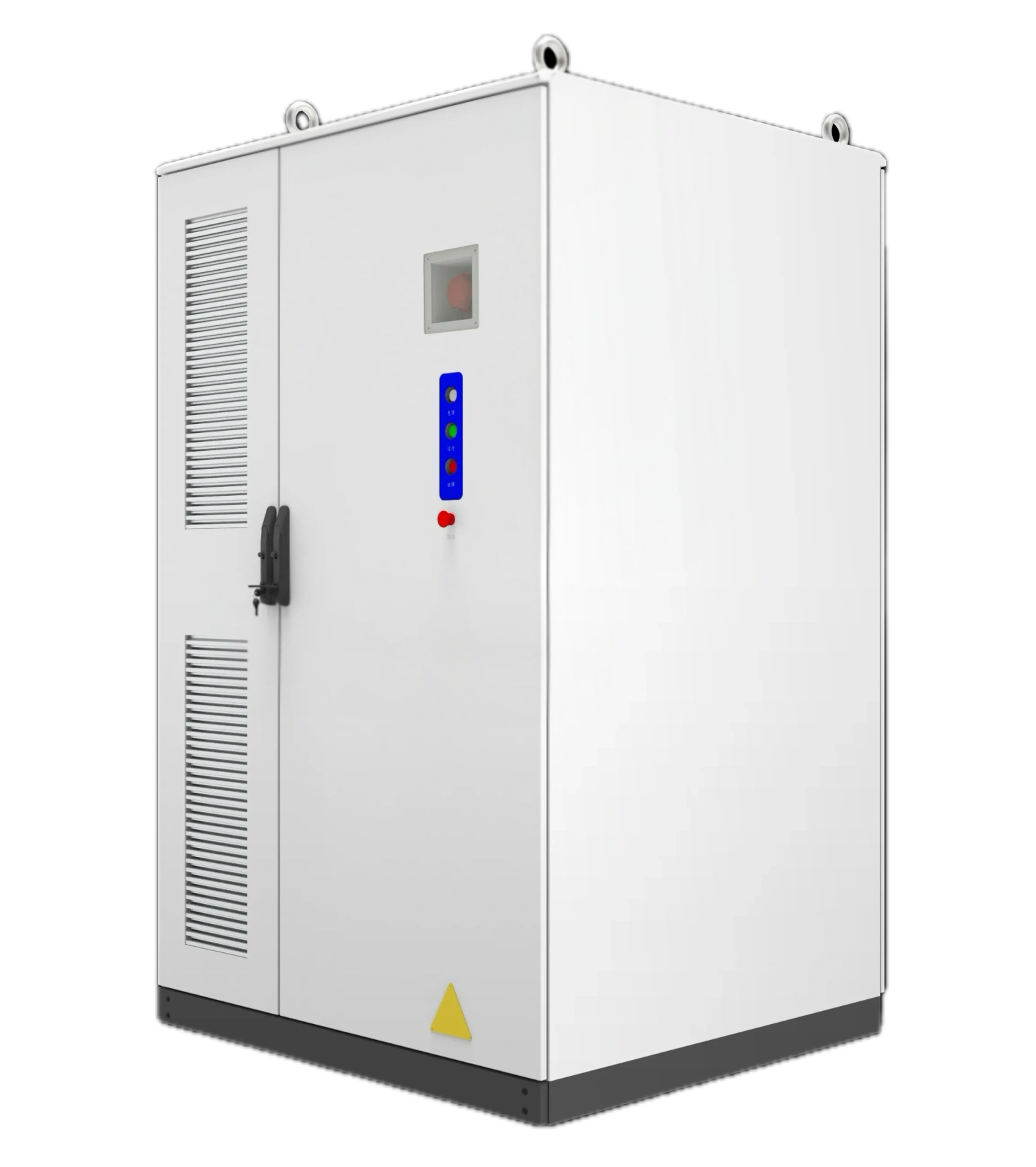
Standard C&I battery deployments in Eastern Europe through 2024 were sized for either pure UPS or single-application peak shaving. This site needed something different. The system had to absorb midday PV surplus, hold it through the afternoon, and dispatch into the evening peak — while leaving headroom for occasional grid exports during ANRE-favorable windows. Tender evaluation landed on 2.61 MWh of energy capacity at 1.25 MW BESS rated power, roughly 2-hour discharge, with hybrid inverter integration to the existing PV and biogas tie-in points. Henley Power’s HLY-BESS-Commercial-Industrial-261kWh platform was a clean fit. Ten containerized blocks in Mode A configuration with integrated 125 kW PCS each, parallel-connected at the agro-holding’s 10 kV internal bus in two PCS array clusters. Per-block fault isolation meant a single-block fault wouldn’t take out the whole system, a meaningful reliability factor for a site running 24/7 livestock and processing operations. Commissioned in 2025, the system was the first BESS deployment at this site.
What got Henley Power selected over the other shortlisted bidders, including BNEF-listed integrators, wasn’t lowest price. The agro-holding’s parent group runs internal capital review at near-DFI documentation depth: IEC test reports under NDA, multi-supplier cell homologation, parent-warranty mechanics with named insurer fallback. Henley Power’s contracting position is direct manufacturer-to-buyer — one signatory, one warranty chain, one accountability path. Cell sourcing is Tier-1 LFP cells from publicly listed manufacturers, multi-supplier homologated, documented under NDA in the project bankability dossier, never on public pages. The system has been operating since August 2025. Phase 2, identical scale at the same site, is in commissioning for August 2026 — agreed scope, not yet delivered fact. The 24-month performance disclosure window opens in Q3 2027; until then the bankability package leans on IRENA’s Renewable Power Generation Costs 2024 ($192/kWh utility-scale BESS, 93% decline since 2010) and BloombergNEF Energy Transition Investment Trends 2025 ($2.1 trillion global clean energy investment in 2024) as institutional underwriting context.
PAIN POINTS ADDRESSED
01
02
03
SITE DOCUMENTATION

PROJECT FAQ
Related Henley Power products
Related projects