Solutions · Off-Grid & Hybrid · Microgrids

Microgrid & Off-Grid Battery Storage

Battery storage for off-grid microgrids and diesel-displacement hybrid systems. PV-plus-storage architectures for rural electrification, island networks, and remote industrial sites, engineered for the climate and reliability the off-grid case demands.
What is an off-grid microgrid
An off-grid microgrid is a self-contained electrical network with generation, storage, control, and load that operates islanded from a national grid. The engineering case displaces 50–70% of diesel runtime with PV generation and battery storage on typical Sahel-region and sub-Saharan deployments, then runs the genset as backup. Henley Power supplies the storage layer in 3 MWh, 4 MWh, and 5 MWh utility containers plus 261 kWh and 418 kWh C&I formats. Manufactured in Shandong, China. The Sahel-region Chad project is the active sectoral reference.

01 — THE OFF-GRID CASE

Why off-grid sites add storage

Diesel still powers most of the world’s off-grid load — about 565 million people in sub-Saharan Africa lack reliable grid access (Tracking SDG 7 — Energy Progress Report 2025), and the industrial off-grid case in mining, telecom, and remote agro-processing runs on diesel because grid extension is uneconomic. The fuel logistics, the running cost, and the carbon liability are all moving the wrong way at once.

Fuel cost dominates the operating budget. Diesel delivered to a Sahel village or a mining camp routinely lands at €1.30–€1.80 per litre once haulage, security, and storage are priced in. A 100 kW genset running 12 hours a day burns roughly 90,000 litres a year. PV-plus-storage doesn’t replace the diesel entirely on most projects. It cuts genset runtime in half and shifts dispatch away from peak fuel-burn windows. Payback that took 8–10 years five years ago now lands at 3–5 on most sites.

Reliability is the second pressure point. Diesel-only sites have a single point of failure. Fuel runs out, the genset breaks down, the local technician is unreachable. A microgrid with PV plus storage adds redundancy: the battery covers genset start delay, runs the load through a cool night, and lets the diesel cycle on a maintenance schedule rather than a demand-response one. Telecom sites and rural clinics with uptime obligations get there without running the genset 24/7.

Financing pressure has now shifted to the renewable share. DFI lending facilities and institutional energy programmes increasingly require a renewable fraction in the energy mix as a condition of debt drawdown. A 30–60% solar share with a battery to firm the dispatch profile is what gets the financing through committee. The technology is mature; the question on most desks is which supplier the lender will sign off.

02 — WHAT THE BATTERY DOES

Four jobs the storage layer covers

Diesel runtime displacement

PV plus storage covers daytime load and evening peaks directly. The genset cycles down to 30–50% of pre-storage runtime and runs as backup rather than primary supply. Direct fuel-cost reduction is the dominant economic driver on most sites.

24/7 load following

Battery covers the gap between solar generation and demand — early morning, late evening, cloudy days. The microgrid controller dispatches storage first, then genset start, then PV curtailment, in that priority order.

Black-start & islanding

Grid-forming PCS lets the BESS establish voltage and frequency without an external reference. After a fault, the battery restarts the microgrid on its own. No generator-first sequencing, no cold-start fuel waste.

Modular expansion

Containerized blocks add capacity in 3 MWh increments without redesigning the system. Sites that grow — mining camps, villages, telecom hubs — scale without ripping out the original installation.

03 — INTEGRATION ARCHITECTURE

Three ways to wire it

Off-grid architecture choice depends on the renewable share the project can absorb, the climate envelope the equipment has to survive, and whether a diesel genset stays on site as backup. The platform constants don’t change between modes: Tier-1 LFP cells from publicly listed manufacturers, multi-supplier homologated, and grid-forming PCS as standard across all utility BESS containers, with IEC 61850-7-420 DER profile support, project-specific edition confirmed at commissioning.

Mode A

PV + BESS + diesel hybrid

The default for new microgrids above ~200 kW. PV array sized for 60–80% of daytime load, BESS sized for evening peak plus night base, diesel genset retained as deep-backup. Genset cycles drop to 30–50% of diesel-only baseline. The dispatch logic is solar-first, battery-second, genset-last.

Default

Mode B

BESS + diesel (storage-augmented)

Used at telecom towers, mining camps, and remote pumping stations where PV space is restricted or shading prevents a useful array. The battery covers genset start-stop cycling, runs the load through quiet hours, and reduces fuel burn 25–40% without any solar element. Lower CapEx, narrower OpEx benefit.

Mode C

PV + BESS standalone

Full off-grid, no genset. Selectively appropriate where solar resource is excellent and load profile is predictable — village microgrids in tropical latitudes, agro-processing sites with daytime-heavy demand. Requires conservative oversizing on both PV and battery to handle a multi-day cloudy-period worst case.

04 — SIZING LOGIC

How to size an off-grid microgrid BESS

Sizing comes from three levers: load profile first, peak demand second, autonomy hours third. The order matters: get the daily energy wrong and the genset never stops running.

Lever 01 — Energy

Average daily load (kWh/day)

Drives MWh nameplate. Back-test against twelve months of metered or modelled demand if available; for new sites, use a per-capita or per-load-class estimate and plan for 20–30% growth in the first five years.

Lever 02 — Power

Peak demand (kW)

Drives PCS power rating. Industrial loads with motor starts need PCS oversized 1.5–2× steady-state. Residential village loads run closer to a 1.2× factor on the daily peak.

Lever 03 — Duration

Autonomy hours required

Drives the MWh-to-MW ratio. Typical microgrid autonomy targets sit between 4 and 8 hours of full-load coverage. Longer autonomy means a longer-duration battery — which trades off against PV oversizing.

Rule of thumb

Village microgrid 50–500 kW: typically a 200 kWh–2 MWh BESS, often built from C&I 261 kWh or 418 kWh blocks in parallel. Industrial microgrid 1–5 MW: typically 2–10 MWh, built from utility 3 MWh containers. Mining or telecom hub microgrid 5–20 MW: 10–40 MWh, multi-container utility deployment with redundant PCS. Starting points for feasibility, not engineering numbers — load profile, irradiance, and genset duty-cycle analysis sit upstream of detailed sizing.

Got an off-grid project on your desk? We'll run the load profile and diesel-displacement numbers with you.

05 — RECOMMENDED HENLEY PLATFORM

Three building blocks for off-grid

Microgrids span four orders of magnitude in load — from a 50 kW village hub to a 20 MW mining camp. The same Henley platform covers the range, with C&I blocks for the smaller end and utility containers for the rest. Selection comes down to load size, autonomy hours, and whether the architecture keeps a diesel genset in the loop.

C&I · LIQUID-COOLED

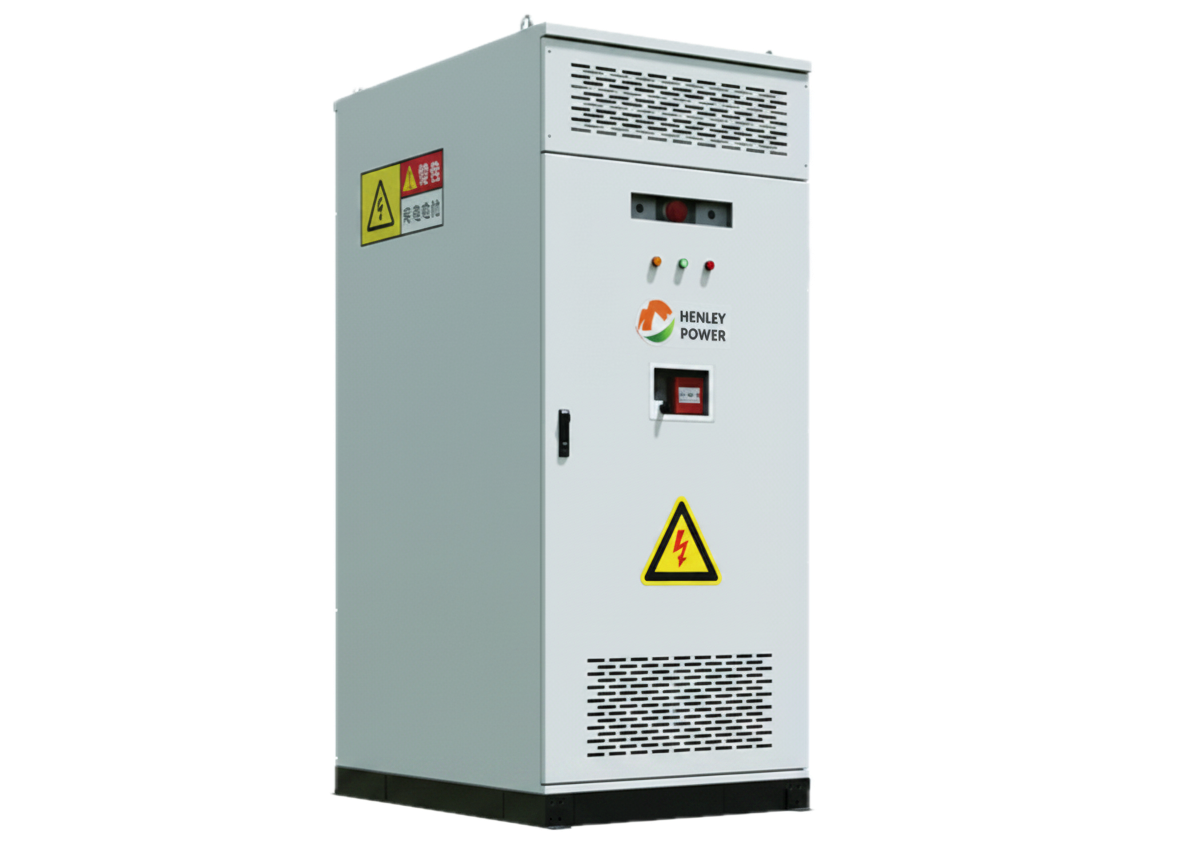
HLY-BESS-Commercial-Industrial-261kWh

261 kWh in a single liquid-cooled cabinet.

261 kWh

Liquid-cooled outdoor cabinet, three deployment modes — All-in-One (100/110/125 kW PCS), DC-only for central PCS, or hybrid-inverter compatible.

View product

C&I · LIQUID-COOLED

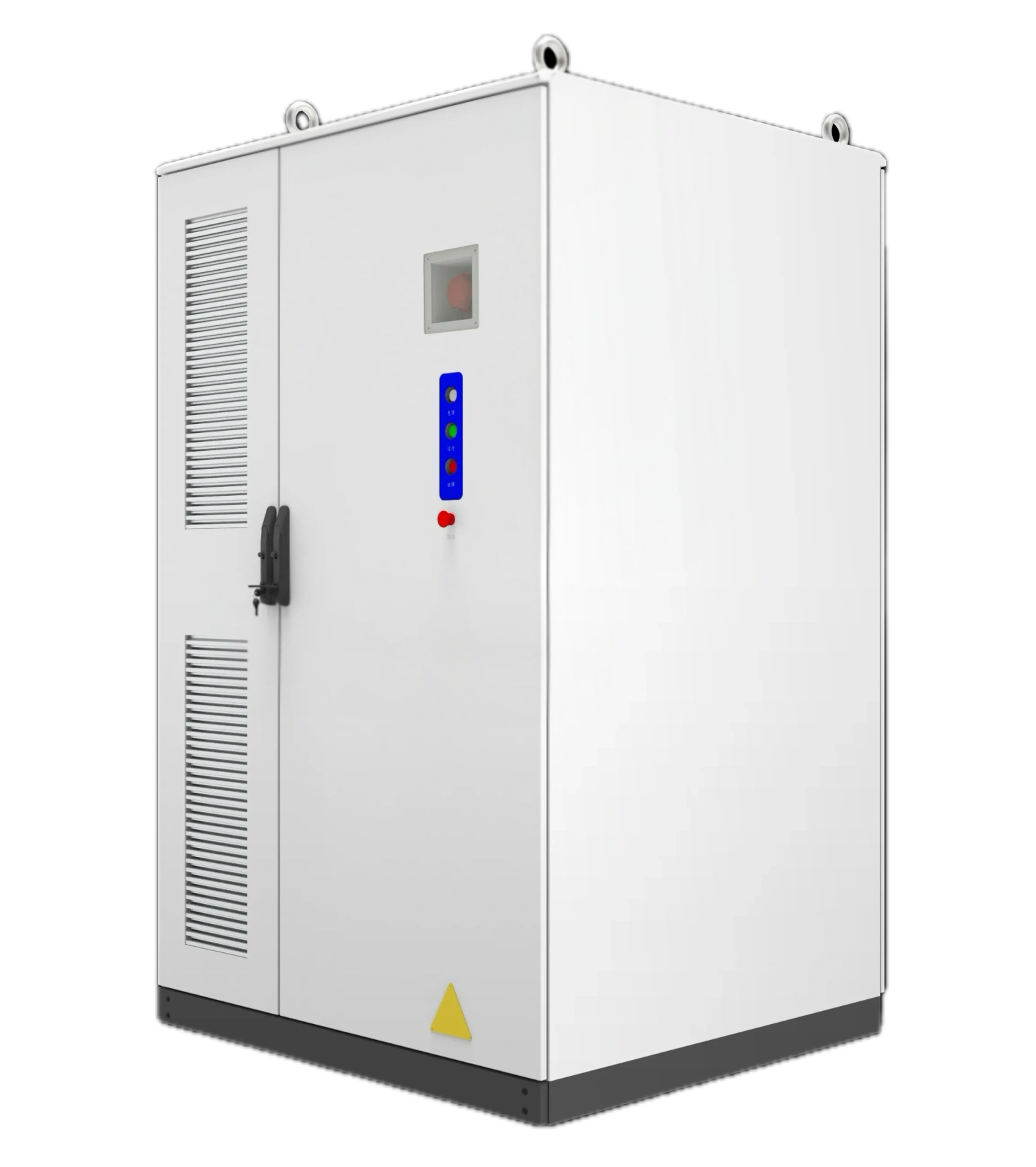
HLY-BESS-Commercial-Industrial-418kWh

200 kW / 418 kWh in one outdoor cabinet.

418 kWh

200 kW / 418 kWh liquid-cooled outdoor cabinet at 1,331 Vdc — industrial peak-shaving, data centres, large commercial portfolios.

View product

UTILITY

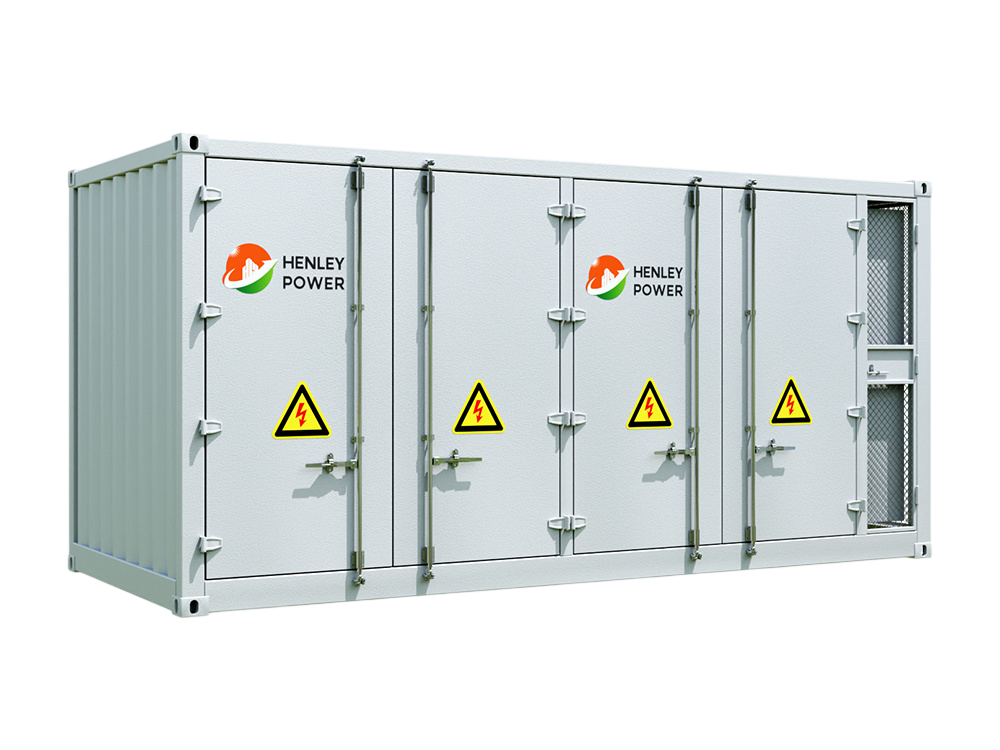
HLY-BESS-Utility-3MWh · 4MWh · 5MWh

Utility-Scale BESS — 3 to 5 MWh Liquid-Cooled Container.

3–5 MWh

3,344 / 4,180 / 5,015 kWh liquid-cooled LFP in 20-ft ISO containers — grid-scale storage, frequency response, BESS-as-a-service.

View product

06 — REFERENCE PROJECTS

What we've actually deployed

Note from engineering

Henley Power’s most direct microgrid reference is a Sahel-region rural electrification project in Chad — PV-plus-storage co-located with a small diesel genset, displacing 50–70% of the diesel runtime. The project services a township with mixed residential, clinic, and small-commercial load. It’s the active sectoral case for everything we publish on this page.

The rest of our deployed portfolio sits on the China-utility side: Inner Mongolia, Ningxia, Hebei, Henan, and Shandong provinces, predominantly grid-connected solar-plus-storage rather than islanded microgrids. The engineering pattern transfers directly: same Tier-1 LFP cells, same grid-forming PCS architecture, same modular containerization. What changes between a grid-tied utility BESS and an islanded microgrid is the control logic and balance-of-plant integration with the genset and PV inverters.

If your project needs a deployed microgrid reference at the same scale and climate envelope before you specify, we’ll say so openly rather than over-promise. The Chad project data is shared after NDA on request, and adjacent C&I deployments are accessible via the project portfolio.

07 — FAQ

Common questions

How is an off-grid microgrid different from a backup generator?
A backup generator runs only when the grid fails. An off-grid microgrid is the primary supply — no grid to back up. The system dispatches generation, manages load, holds voltage and frequency, and survives indefinitely on its own. That means oversized PCS for motor starts, battery sized for autonomy hours rather than ride-through seconds, and controls capable of black-start without external reference.
Modelled and metered figures across our Chad project and adjacent reference cases land in the 50–70% diesel-runtime displacement range, with site-specific outcomes driven by load profile, irradiance, and how aggressively the controller dispatches the genset. Sites with daytime-heavy loads and good solar resource land closer to 70%; sites with evening peaks and seasonal cloud cover land closer to 50%. Industry literature on PV-plus-storage hybrids in sub-Saharan deployments reports comparable bands.
Warranty insurance via licensed European insurer is available as a project option for DFI-financed and institutionally-backed tenders. Parent guarantee or escrow alternative on request.
Yes. Containerized blocks add capacity in fixed increments (261 kWh and 418 kWh on the C&I side, 3 MWh on the utility side) without redesigning the system. Mining camps that grow, villages that gain new household connections, and telecom hubs that take on additional radio sites all hit the same expansion problem. The platform supports parallel-stacking on a common DC bus or AC integration via additional inverters, depending on the original architecture choice.
The outdoor cabinets and containerized blocks are engineered for the climate envelopes the off-grid case actually demands — high ambient temperature, dust ingress, humidity cycling. Standard envelope covers –20°C to +50°C with derating above 45°C; tropicalized configuration is available for coastal and equatorial sites. Project-specific qualification confirmed at site survey.

08 — RELATED SOLUTIONS

Adjacent applications

The microgrid platform overlaps with several adjacent use cases that share the same engineering DNA. Three closest siblings, in case the project mix calls for them.

GRID-FORMING

GFM · FREQUENCY REGULATION

Grid-Forming & Frequency Regulation

Grid-forming inverter capability for system strength, black-start, and fast frequency response — primary, secondary, and tertiary regulation services.

View solution

DATA CENTRES

DATA CENTRE · BRIDGE POWER

Data Centres & AI Infrastructure

Battery storage for hyperscale and colocation data centres — bridge interconnection delays, replace diesel UPS, manage AI compute load volatility.

View solution

HYBRID

HYBRID · FUEL OFFSET

Hybrid Power Plant Battery Storage

Solar PV plus diesel or gas generators plus battery storage for off-grid mines, islands, and remote industrial loads — fuel savings 30–60%.

View solution