/

/

Hebei Shopping Mall BESS

HEBEI PROVINCE . 1.6 MW / 3.34 MWH . COMMISSIONED 2025

Hebei Shopping Mall BESS — 1.6 MW / 3.34 MWh Commercial-Industrial Battery Storage

The Hebei Shopping Mall BESS is a 1.6 MW / 3.34 MWh commercial-industrial battery storage project commissioned in 2025 by Henley Power at a multi-tenant retail mall in central Hebei Province. The system manages demand-charge peaks across HVAC, escalator, and tenant-fitout loads while buffering a co-located DC fast-charger array — 8 × HLY-BESS-Commercial-Industrial-418kWh containers in Mode A integrated-PCS configuration. Industry payback benchmarks for C&I peak-shaving BESS sit in the 3–5 year band under typical Chinese commercial tariff structures.

PROJECT OVERVIEW

3.34 MWh peak shaving and EV-charger buffering for a central Hebei retail mall

The mall sits in central Hebei Province, in the Beijing-Tianjin-Hebei industrial belt where retail real-estate operators have leaned on grid power plus standard utility connections for decades. By 2024 two things had changed for operators in this region. Hebei provincial commercial tariffs moved toward time-of-use structures, with demand-charge components climbing faster than energy charges — the largest line item on the operator’s electricity bill wasn’t kWh consumption, it was the mall’s late-afternoon-to-evening peak driven by simultaneous HVAC re-cooling cycles, escalator load on weekend traffic, and tenant cooking-equipment ramps. These weren’t theoretical events. The operator paid for them every month. At the same time, the mall’s planning team had committed to installing a DC fast-charger array — 200 kW class, multi-stall — to capture EV-driver footfall as Hebei’s EV penetration accelerated. The existing grid connection couldn’t absorb that buffered load without a costly transformer upgrade and a connection-fee re-tariff that would have erased the EV-charging revenue case for several years.

Standard mall electrical upgrades in 2024 were sized for either demand-charge reduction or EV charging buffering — rarely both, and almost never with a single shared asset. This project couldn’t be solved with a single-application design. The operator needed a system that could shave the 4-hour evening peak window across the mall’s general loads, absorb the bursty 200 kW DC fast-charger demand pulses without re-imposing those pulses on the grid connection, and provide power-quality reserve so that simultaneous tenant ramp events wouldn’t trigger voltage excursions on shared circuits. Tender evaluation landed on 3.34 MWh of energy capacity at 1.6 MW BESS rated power, 2-hour discharge, with grid-following operation tied behind-the-meter at the mall’s primary switchgear (final MV-side or LV-side interconnection determined at detailed design). Henley Power’s HLY-BESS-Commercial-Industrial-418kWh platform fit cleanly: 8 containerized blocks in parallel, each with an integrated 200 kW PCS in Mode A configuration, eliminating the separate central-PCS procurement and commissioning step that would have added 8–12 weeks to the schedule and a second supplier signature to the warranty chain. One product, one warranty, one phone number to call. TU Delft research has documented that BESS-buffered fast-charging stations can reduce grid connection size by up to 80%. That’s the architectural pattern this project executes at C&I scale.

What got Henley Power selected over the other shortlisted integrator wasn’t price alone. The mall operator’s group treasury team needed documentation depth: IEC test reports under NDA, multi-supplier cell homologation records, parent-warranty mechanics, and FSR documentation aligned to the operator’s group-level financing covenants. Henley Power’s contracting position is direct manufacturer-to-buyer: one signatory, one warranty chain, one accountability path. Cell sourcing is multi-supplier homologated LFP from publicly listed Tier-1 cell manufacturers — specific suppliers documented under NDA in the project bankability dossier, never on public pages. The system has been operating since commissioning in 2025. It’s been collecting cycle field data against design assumptions for a Q3 2026 24-month performance disclosure window. That’s the milestone that converts the design case into measured-outcome proof for the next wave of European mall and CPO buyers. To be direct: a competitor on that shortlist carried deeper public bankability credentials and longer accumulated BESS operating history — the mall operator’s group treasury ultimately weighted documented multi-supplier cell homologation and a clear warranty chain over balance-sheet brand premium.

PAIN POINTS ADDRESSED

Three problems this project solved

01

Demand-charge dominance in C&I retail tariffs

Multi-tenant shopping malls in northern China face commercial demand-charge structures where peak consumption events determine 25–40% of total monthly electricity spend. Late-afternoon HVAC re-cooling cycles, weekend escalator loads, and synchronized tenant fitout ramps create 15-minute demand peaks that set the billing baseline for the full month. Industry consensus benchmarks consistent peak-shaving BESS at 20–35% demand-charge reduction for commercial loads with 1.5–4 hour peak windows — actual reduction is site-specific and subject to dispatch operator qualification at commissioning. Payback for properly-tariffed C&I sites: 3–5 years under standard Chinese commercial tariff structures.

02

DC fast-charger buffering without grid upgrade

Hebei’s EV penetration rose sharply through 2023–2024. A multi-stall 200 kW DC fast-charger array can pull 600 kW-plus instantaneously when stalls activate simultaneously — power the mall’s existing transformer feeder cannot absorb without an upgrade and connection re-tariff. TU Delft research has found that BESS-buffered fast-charging stations can reduce grid-connection size by up to 80%. Co-located storage absorbs the charger demand pulses, releases them across the BESS discharge window, and resolves the constraint without a second utility connection or substation upgrade.

03

Group-treasury documentation depth

Mall capital expenditure above the operator’s internal threshold routes through group-level treasury review with the same documentation standard as project-finance lenders: IEC test reports, multi-supplier cell homologation evidence, warranty mechanics with named insurer or parent-guarantee fallback, and FSR documentation. Most C&I BESS suppliers ship product brochures and a generic warranty certificate. Henley Power’s bankability package matched the operator’s group-treasury underwriting requirements without requiring the operator’s team to fill documentation gaps post-award.

SITE DOCUMENTATION

Site photography

Site photography pending public release · Q3 2026 1 / 1

PROJECT FAQ

Questions buyers ask about this project

What was deployed at the Hebei shopping mall project?
Henley Power deployed 3.34 MWh of commercial-industrial BESS at 1.6 MW rated power, commissioned in 2025 at a multi-tenant retail mall in central Hebei Province. The configuration is 8 × HLY-BESS-Commercial-Industrial-418kWh containers, each with an integrated 200 kW PCS (Mode A architecture), interconnected behind-the-meter at the mall’s MV switchgear. The system manages the mall’s demand-charge peaks and buffers a co-located DC fast-charger array.
The shortlist included four C&I BESS suppliers, one of which carried deeper public bankability credentials. Henley Power was selected on three points: a fully integrated Mode A architecture (no separate central PCS to procure or commission), the C&I-tier all-in-one container form factor that matched the mall’s loading-bay footprint, and contracting structure — direct manufacturer-to-buyer with a single-signatory warranty chain. Cell sourcing is multi-supplier homologated LFP from publicly listed Tier-1 manufacturers, documented under NDA in the project bankability dossier.
The project follows Henley Power’s standard 5+5-year direct manufacturer warranty. Warranty insurance via licensed European insurer is available as a project option for DFI-financed and institutionally-backed tenders. Parent guarantee or escrow alternative on request. The Hebei mall project follows the parent-guarantee pathway under the operator’s group treasury structure.
Honest answer: not yet at full disclosure. Demand-charge reduction telemetry, EV-charger buffering cycle counts, and round-trip efficiency under retail-load conditions are being collected post-commissioning, but the project hasn’t completed a full warranty-cycle year of operating data. The dataset reaches 24-month maturity in Q3 2026 — that’s when Henley Power releases the disclosable performance summary. Until then, the design case is industry-typical 20–35% demand-charge reduction under standard Chinese C&I tariff structures — actual figures subject to grid operator confirmation at commissioning. Specific kWh shifted and peak kW shaved figures are shared on request, subject to NDA, via Henley Power’s bankability desk.
Yes — reference availability is on request after a mutual NDA. The mall operator has agreed to participate in reference calls for qualifying European C&I developers, retail real-estate operators, and EV charge-point operators. Site visit availability is subject to mall operational coordination — contact Henley Power’s bankability desk to discuss qualifying access pathways.

Related Henley Power products

Products deployed or relevant to this configuration

C&I · LIQUID-COOLED

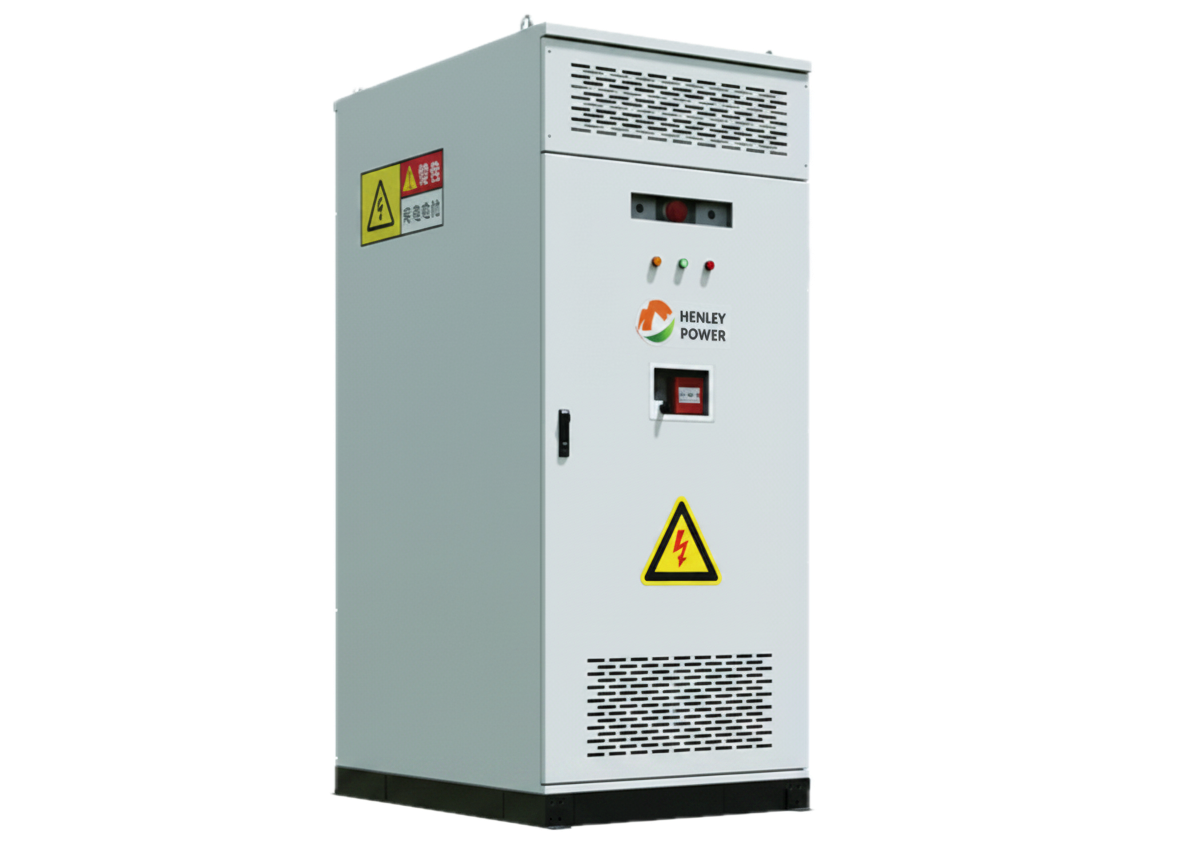
HLY-BESS-Commercial-Industrial-261kWh

261 kWh in a single liquid-cooled cabinet.

261 kWh

Liquid-cooled outdoor cabinet, three deployment modes — All-in-One (100/110/125 kW PCS), DC-only for central PCS, or hybrid-inverter compatible.

View product

C&I · LIQUID-COOLED

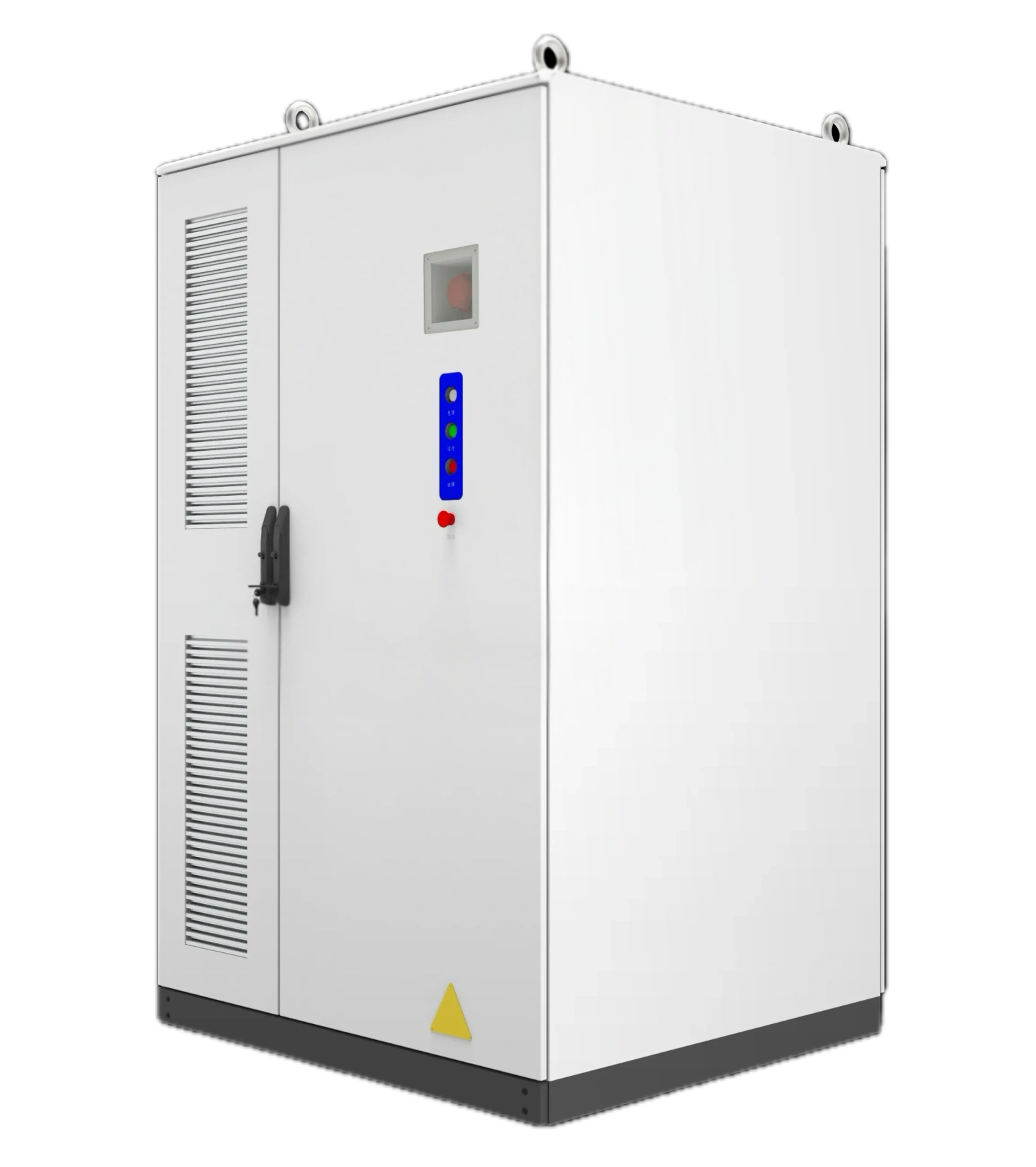
HLY-BESS-Commercial-Industrial-418kWh

200 kW / 418 kWh in one outdoor cabinet.

418 kWh

200 kW / 418 kWh liquid-cooled outdoor cabinet at 1,331 Vdc — industrial peak-shaving, data centres, large commercial portfolios.

View product

Related projects

Other Henley Power deployments

Shandong Tire-Machinery Industrial BESS

Shandong, China · 50 MW / 100 MWh · Commissioned Q3 2025

View Project

Ningxia PV Farm Storage

Ningxia · 200 MW / 500 MWh + 100 MW PV · Commissioned 2023

View Project

Inner Mongolia Mining BESS

Inner Mongolia · 150 MW / 300 MWh · Commissioned 2024

View Project