01 — THE PEAK-SHAVING CASE
European industrial electricity bills aren’t dominated by energy any more — they’re dominated by demand and capacity charges. Across DE (BNetzA), IT (ARERA), ES (CNMC), FR (CRE), the UK (Ofgem), and PL (URE), the demand portion now accounts for 30–50% of the bill at typical mid-size industrial loads. Cutting kWh consumption alone won’t fix it. Cutting peak kW will.
Capacity tariffs are the dominant cost lever now. German Netzentgelt (regulated by BNetzA), Italian oneri di sistema (ARERA), Spanish peajes by tramo horario (CNMC), French TURPE (CRE), and equivalent capacity-tariff structures set demand charges on the highest 15-minute interval of the billing period. BNetzA’s Monitoring Report 2024 records industrial network tariffs rising about 25% year-on-year into 2024, capping a multi-year upward trend across Germany. Eurostat industrial-electricity data through 2025 confirms the same direction in IT, ES, FR. One outlier afternoon dragged by simultaneous compressor and HVAC start-up sets the demand bill for the whole month. Battery discharging during the predicted peak interval flattens the curve and resets the billing-relevant maximum to the capped value the operator chooses.
Time-of-use arbitrage stacks on top. Most European C&I tariffs combine capacity charges with time-of-use energy pricing: peak/shoulder/off-peak banding measured in 15-minute or hourly intervals. The same BESS that flattens demand also charges during off-peak hours and discharges into shoulder and peak windows. The two revenue layers don’t compete at the operating level; they share the same battery and stack on the same bill.
Self-consumption keeps the third loop running. Sites with solar PV upstream of the metering boundary use the BESS to push self-consumption from typical 30–50% (PV-only) up to 70–85%. Capacity-charge avoidance and export-tariff loss avoidance stack on the same battery without operating conflict.
02 — WHAT THE BATTERY DOES


03 — INTEGRATION ARCHITECTURE
Mode A
Mode B
Mode C
04 — SIZING LOGIC
Lever 01
Lever 02
Lever 03
Rule of thumb
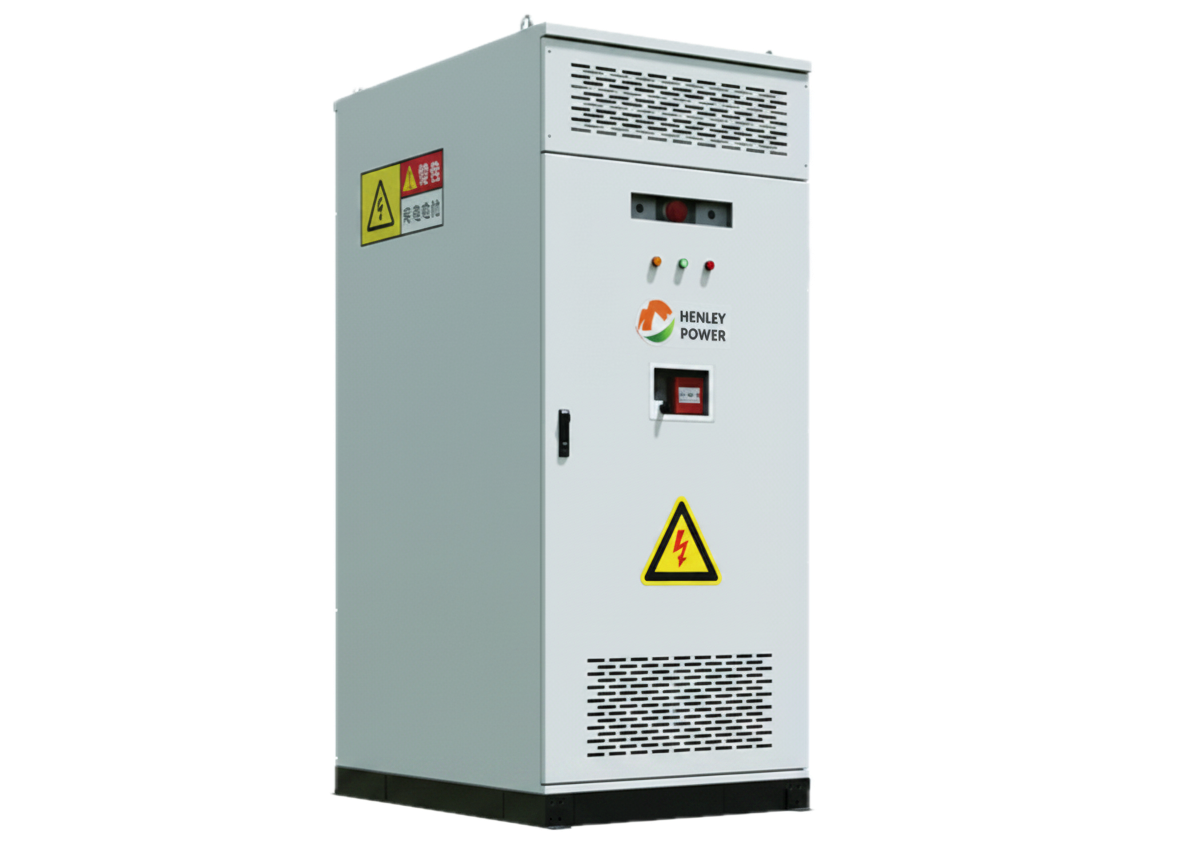
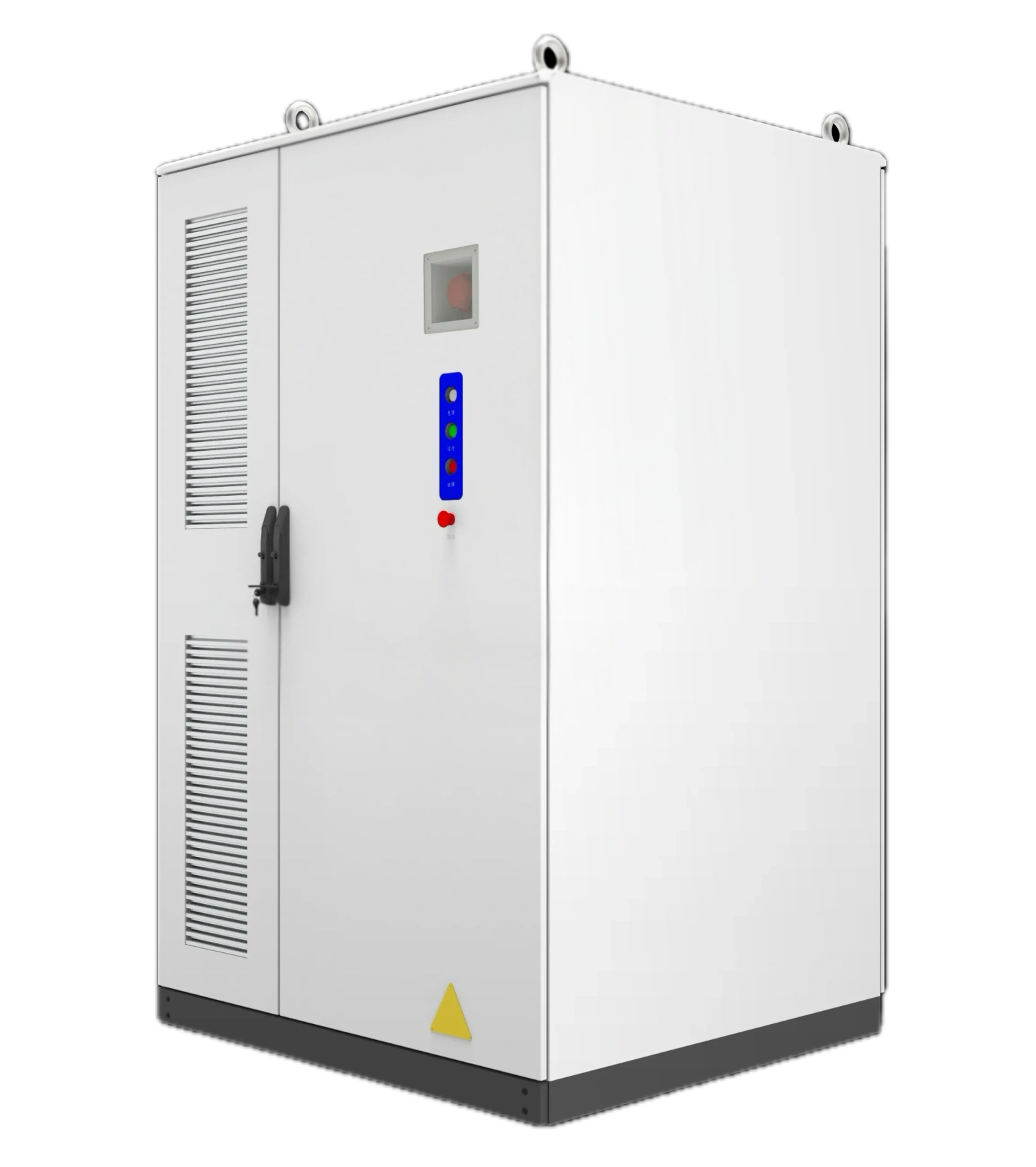
1 MVA industrial site with 200 kW peak excess above the cap target: typically a 200–400 kW / 250–500 kWh BESS, often a single C&I 261 kWh outdoor cabinet. 5 MVA process plant with 800 kW peak excess: typically 800–1,200 kW / 1.5–2.5 MWh, often using two C&I 418 kWh cabinets in parallel. These are starting points for feasibility, not engineering numbers — actual sizing factors in the operator’s tariff structure, load profile resolution, and PV co-location.
05 — RECOMMENDED HENLEY PLATFORM
06 — REFERENCE PROJECTS
Note from engineering
Henley Power’s deployed portfolio to date is dominated by utility solar-plus-storage and PV-storage-diesel hybrids — Inner Mongolia, Ningxia, Hebei, Henan, Shandong provinces in China, plus a Sahel-region microgrid in Chad. Dedicated C&I peak-shaving reference projects in Europe are in commissioning across Romania, Czech Republic, and Slovakia.
The C&I cabinets share the same cell architecture, BMS protocol, and PCS topology as the utility platform. Deployment differences live in site SCADA integration, demand-prediction logic, and local DSO interconnection — not in the cells. Pre-commissioning C&I references and integration studies are shared after NDA on request.
If your project needs a fully European-deployed C&I reference site as a pre-condition to specification, we’ll say so openly rather than over-promise. Browse current project portfolio →
07 — FAQ
08 — RELATED SOLUTIONS