/

/

Chad Township Microgrid

Chad · 8 MW / 16 MWh + 4 MW PV · Commissioned 2025

Chad Township Microgrid — 8 MW / 16 MWh BESS with 4 MW PV and Diesel Reserve

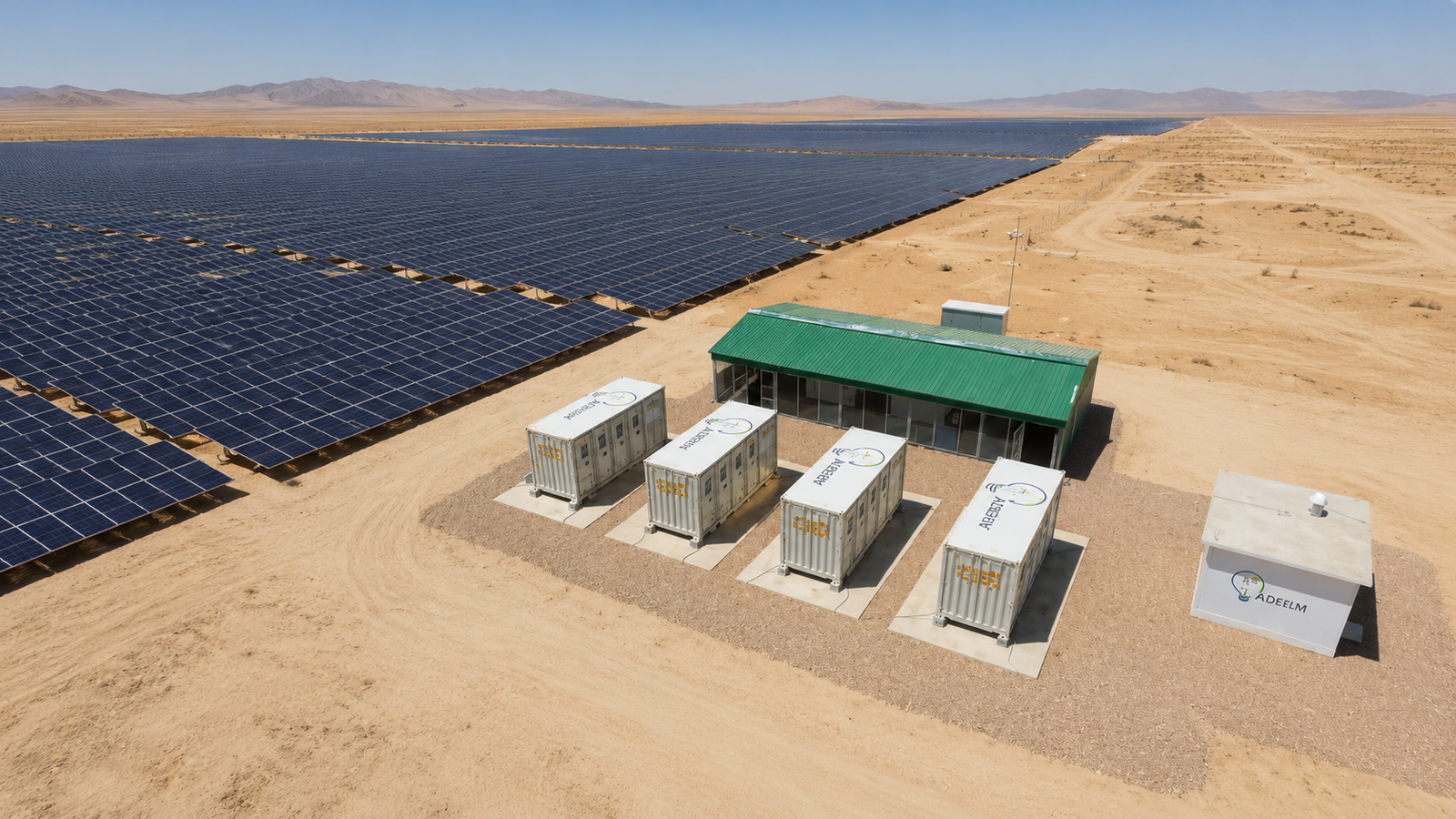
The Chad township microgrid is an 8 MW / 16 MWh hybrid energy system commissioned in 2025 by Henley Power for the Chadian rural electrification authority. The system delivers first-time electrification to a previously unserved community in Chad’s Sahel zone, pairing 16 MWh of BESS storage across 4 × HLY-BESS-Utility-4MWh containerized blocks with 4 MW of PV generation and a 4 MW diesel reserve. Comparable PV+BESS+diesel hybrid deployments at this configuration scale displace 50–70% of diesel runtime versus diesel-only baselines.

PROJECT OVERVIEW

First-time electrification, engineered for a 20-year asset life

The community sits in a region of Chad where extending grid infrastructure isn’t commercially viable nor near-term planned. Chad’s national grid reaches around 12% of the population (World Bank, 2023) — among the lowest electrification rates anywhere in the world — and the unserved 88% lives across Sahel and sub-Sahelian zones where transmission line economics break long before they reach demand centers. Off-grid PV+BESS hybrid systems are the established technology pathway for communities more than 5 km from any planned grid extension across sub-Saharan Africa — a threshold widely applied in electrification geospatial planning frameworks. Diesel-only electrification is the default fallback, and it carries a known cost stack: industry-typical $0.40–0.80/kWh delivered cost when fuel logistics, maintenance windows, and operator overhead are accounted for, plus particulate emissions and noise constraints that limit where generators can sit relative to occupied buildings. For townships planning around a 20-year asset life, the diesel cost trajectory is the load-bearing problem. Fuel logistics in Sahel-climate zones run on rough roads through long supply chains. A capital structure that hinges on diesel runtime is a capital structure exposed to fuel price volatility and route security across that entire two-decade horizon.

For the Chadian rural electrification authority — the public-sector counterparty financing and contracting this project directly — the brief was different. Deliver first-time electrification with capital structure that survives a 20-year asset lifespan, not just five-year diesel logistics horizons. PV generation alone wouldn’t solve evening and overnight demand. PV doesn’t shift midday surplus into evening peak or overnight load. Storage wasn’t an upgrade. It was the gating component that made the rest of the project economics work across a full diurnal cycle. The system specification landed at 8 MW BESS rated power, 16 MWh of energy capacity at 2-hour discharge, with grid-forming PCS architecture so the microgrid can cold-start without an upstream droop reference. The diesel set stays as a 4 MW reserve for contingency events — fuel-to-load coverage, not primary generation. PV at 4 MW handles daytime load and BESS charging through the day. The BESS handles evening peak through overnight discharge until PV picks up again at sunrise. The 4 × 4 MWh containerized blocks run in parallel PCS array clusters at the microgrid MV bus, with per-block fault isolation — a single-block fault doesn’t collapse the entire microgrid bus.

Henley Power deployed 4 × HLY-BESS-Utility-4MWh containerized blocks (4 × 4 MWh = 16 MWh; 4 × 2 MW = 8 MW), the PCS, the energy management system, and balance-of-plant integration. The contracting structure is direct manufacturer-to-buyer: one signatory, one warranty chain, one accountability path. Cell sourcing is Tier-1 LFP cells from publicly listed manufacturers, multi-supplier homologated — specific suppliers documented under NDA in the project bankability dossier, never on public pages. The project opted into the insurance-backed warranty pathway via a licensed European insurer as part of its public-sector financing structure. Honest answer on outcomes: the system has been operating since 2025 commissioning but hasn’t completed a full warranty-cycle year of off-grid performance data. Grid-forming PCS dispatch performance is subject to site qualification data becoming publicly disclosable in the Q3 2026 performance window. The dataset reaches 24-month maturity in Q3 2026 and that’s when Henley Power releases the disclosable performance summary. Until then, published deployment experience from comparable hybrid configurations frames the 50–70% diesel-displacement expectation. Full operating data is shared on request, subject to NDA, via Henley Power’s bankability desk.

PAIN POINTS ADDRESSED

Three problems this project solved

01

Diesel cost stack

Diesel-only generation in remote Sahel-climate townships runs $0.40–0.80/kWh delivered cost when fuel logistics, maintenance windows, and operator overhead are accounted for. Comparable PV+BESS+diesel hybrids displace 50–70% of diesel runtime versus diesel-only baselines across published deployment experience at this configuration scale. The capital trajectory shifts from fuel-spend dominance toward predictable storage-asset depreciation across a 20-year horizon. That’s the trade public-sector electrification authorities are now underwriting at programme scale.

02

Off-grid grid-forming PCS

Off-grid microgrids can’t lean on an upstream grid for voltage and frequency reference. The PCS has to form the grid itself — cold-start without external droop input, ride through diesel-set transitions, and hold tight tolerances on a feeder where the only inertia available is its own. Standard grid-following BESS deployments don’t do this. Henley Power specified grid-forming PCS at the BESS level, with the diesel reserve sitting downstream of the BESS bus rather than upstream of it. The 4 × 4 MWh blocks parallel through a common MV bus; the PV array and diesel set tie in as separate branches.

03

Asset-finance documentation depth

Public-sector rural electrification programmes in Sahel-region countries channel funding through national authorities that apply development-finance-aligned and project-finance underwriting standards: IEC test reports, multi-supplier cell homologation evidence, warranty insurance mechanics, and FSR documentation. The Chadian counterparty’s procurement framework required documentation depth and warranty mechanics suitable for institutional asset-finance review. Henley Power’s 5+5-year direct manufacturer warranty with insurance-backed option was selected against a shortlist that included one publicly listed European integrator. The bankability package matched underwriting requirements without forcing the counterparty to fill documentation gaps post-award.

SITE DOCUMENTATION

Site photography

Site photography pending public release · Q3 2026 1 / 1

Project FAQ

Questions buyers ask about this project

What was deployed at the Chad township microgrid?
Henley Power deployed 16 MWh of utility-scale BESS at 8 MW rated power — 4 × HLY-BESS-Utility-4MWh containerized blocks in parallel — paired with 4 MW of PV generation and 4 MW of diesel reserve, commissioned in 2025 for the Chadian rural electrification authority. The system operates as a grid-forming off-grid microgrid, delivering first-time electrification to a previously unserved community in Chad.
The Chadian counterparty ran a competitive tender that evaluated four shortlisted suppliers including one publicly listed European integrator. Henley Power was selected on the combination of price, warranty mechanics with insurance-backed option, documentation depth required for institutional asset-finance underwriting, and contracting structure — direct manufacturer-to-buyer with single-signatory warranty. Cell sourcing is Tier-1 LFP cells from publicly listed manufacturers, multi-supplier homologated, documented under NDA in the project bankability dossier.
The project follows Henley Power’s standard 5+5-year direct manufacturer warranty. Warranty insurance via licensed European insurer is available as a project option for DFI-financed and institutionally-backed tenders. Parent guarantee or escrow alternative on request. The Chad project opted into the insurance-backed pathway as part of its public-sector financing structure. The warranty runs on Henley Power’s standard terms regardless of connectivity status — no internet activation requirement, no minimum operating platform condition. Scope and terms are project-specific; Henley Power’s bankability desk provides the full warranty schedule on request.
Honest answer: not yet at full disclosure. Off-grid dispatch telemetry, diesel-displacement metrics, and grid-forming PCS performance data are being collected post-commissioning, but the project hasn’t completed a full warranty-cycle year of operating data. The dataset reaches 24-month maturity in Q3 2026 and that’s when Henley Power releases the disclosable performance summary. Until then, published deployment experience from comparable hybrid configurations frames the 50–70% diesel-displacement expectation, and the insurance-backed warranty pathway is what bridges that disclosure gap for asset-finance underwriters today. Full operating data shared on request, subject to NDA, via Henley Power’s bankability desk.
Yes — reference availability is on request after a mutual NDA. The Chadian counterparty has agreed to participate in reference calls for qualifying institutional and rural-electrification tender processes. Site visit availability is subject to security and access coordination across Sahel-region travel constraints — contact Henley Power’s bankability desk to discuss qualifying access pathways. Henley Power’s bankability desk coordinates the reference process and handles logistics with the Chadian counterparty directly.

Related Henley Power products

Products deployed or relevant to this configuration

C&I · LIQUID-COOLED

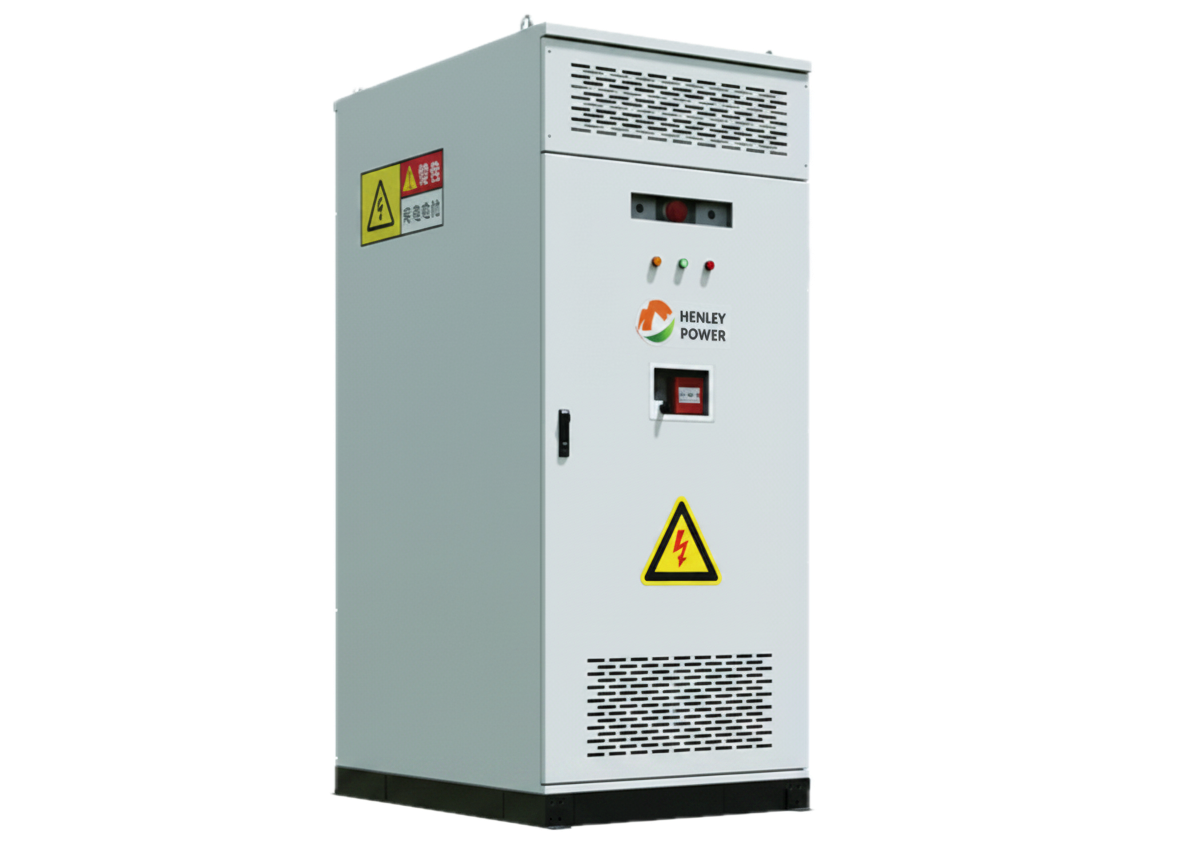
HLY-BESS-Commercial-Industrial-261kWh

261 kWh in a single liquid-cooled cabinet.

261 kWh

Liquid-cooled outdoor cabinet, three deployment modes — All-in-One (100/110/125 kW PCS), DC-only for central PCS, or hybrid-inverter compatible.

View product

UTILITY

HLY-BESS-Utility-2MWh

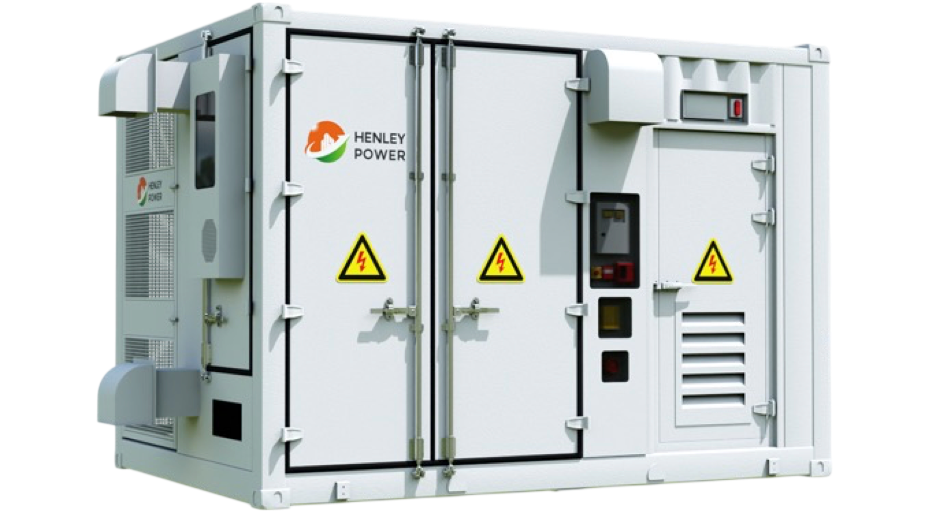
Utility-Scale BESS — 2 MWh Containerised.

2 MWh

2,232 kWh liquid-cooled LFP in a 20-ft ISO container — IPP solar farms, wind balancing, utility substations.

View product

UTILITY

HLY-BESS-Utility-3MWh · 4MWh · 5MWh

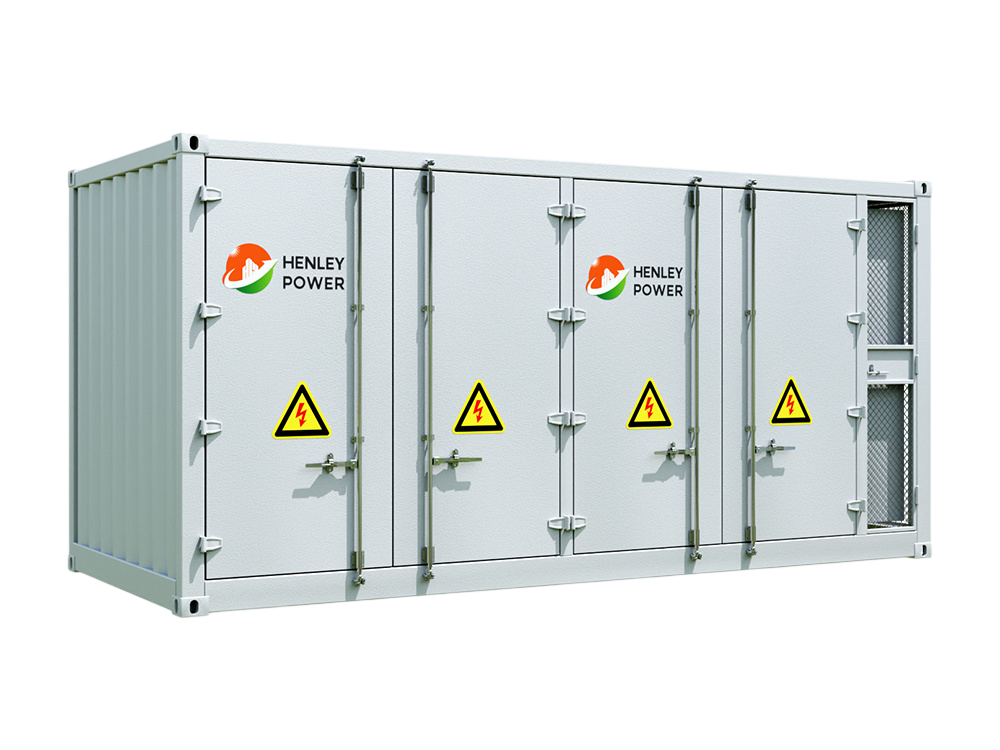
Utility-Scale BESS — 3 to 5 MWh Liquid-Cooled Container.

3–5 MWh

3,344 / 4,180 / 5,015 kWh liquid-cooled LFP in 20-ft ISO containers — grid-scale storage, frequency response, BESS-as-a-service.

View product

Related projects

Other Henley Power deployments

Shandong Tire-Machinery Industrial BESS

Shandong, China · 50 MW / 100 MWh · Commissioned Q3 2025

View Project

Hebei Shopping Mall BESS

HEBEI PROVINCE . 1.6 MW / 3.34 MWH . COMMISSIONED 2025

View Project

Inner Mongolia Mining BESS

Inner Mongolia · 150 MW / 300 MWh · Commissioned 2024

View Project