PROJECT OVERVIEW
Taibus Banner sits in Xilingol League, the southeastern edge of Inner Mongolia’s grassland plateau — a region that has become one of China’s primary wind development corridors. Inner Mongolia added over 41 GW of new renewable energy capacity in 2024 alone, bringing the province’s total renewables to 135 GW by year-end and making it the first major coal-producing region in China where renewable capacity overtook coal-fired power. The western Inner Mongolia spot market has been operating in continuous trial since 2022, moving to official operation in February 2025. A province building wind at that pace needs storage to manage what the grid can’t absorb — and Xilingol is precisely the area where grid transmission headroom to the Beijing-Tianjin-Hebei load center is the binding constraint.
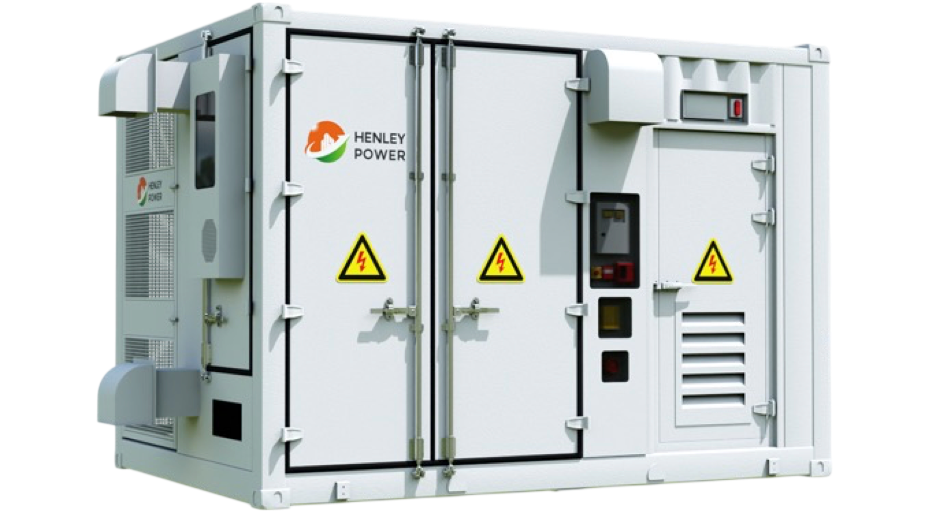
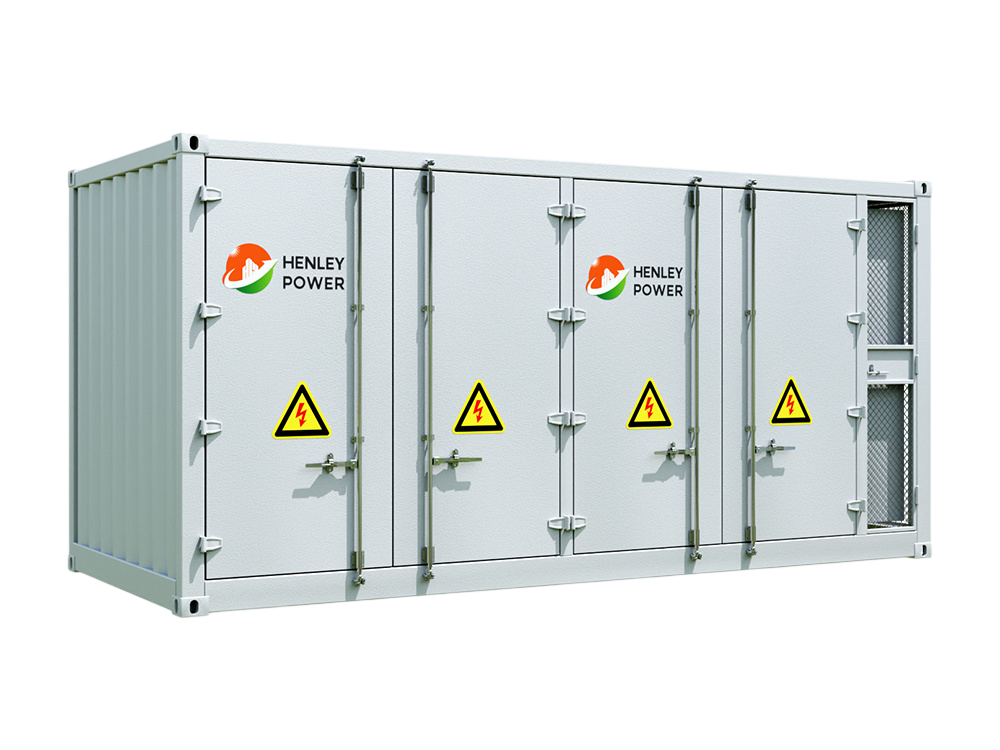
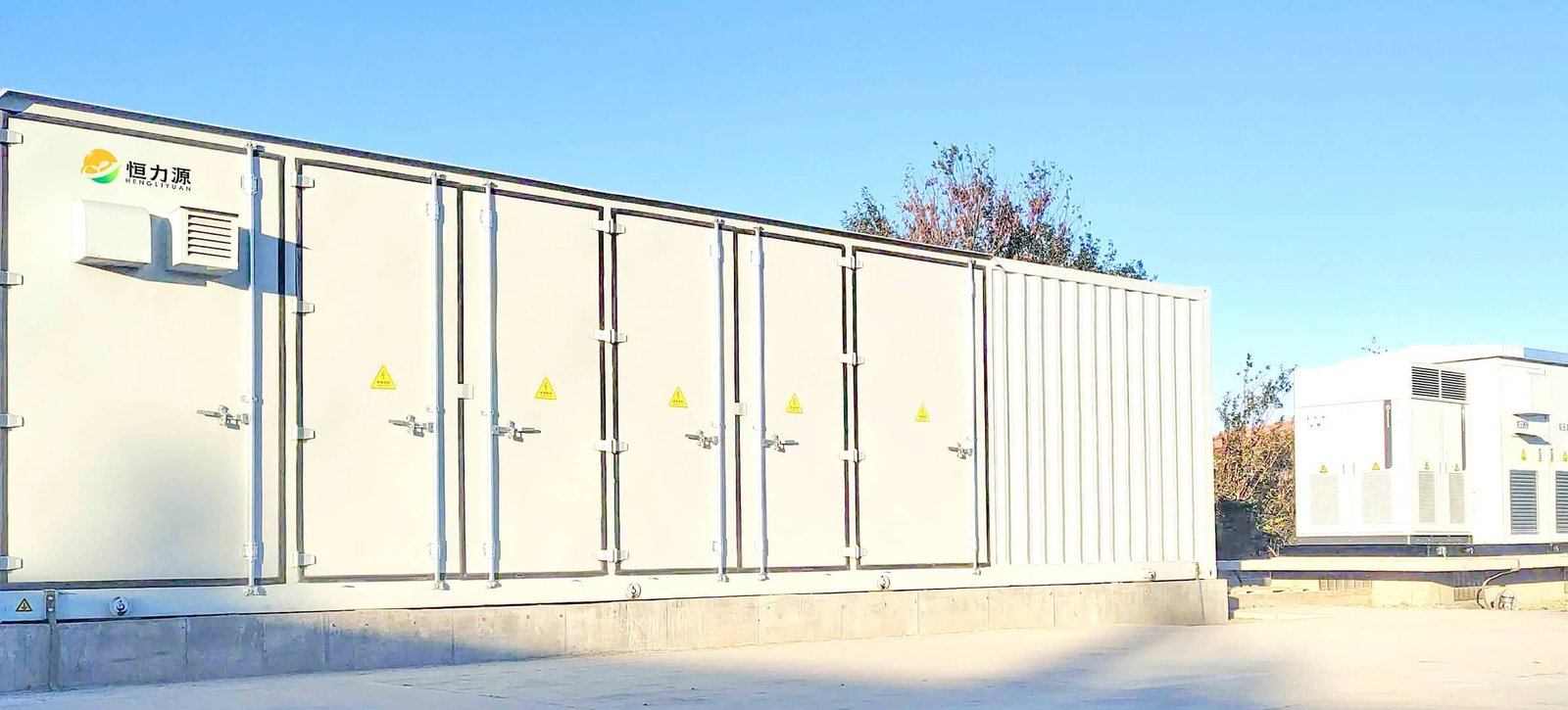
The provincial development fund’s commission was sized for the problem, not for a round number. At 100 MW / 250 MWh (50 × HLY-BESS-Utility-5MWh blocks in 4 PCS array clusters at the regional MV bus), the 2.5-hour discharge duration maps to the evening wind ramp window: the period when wind generation drops as the load curve rises, and when Inner Mongolia’s spot price spreads are widest. Grid-following PCS architecture with per-block fault isolation keeps the system’s availability ceiling high without requiring central-array shutdown for single-block events. Factory acceptance testing was completed at Henley Power’s Dezhou site under the fund’s engineering supervision, commissioned in 2024 at the Taibus Banner substation cluster after site acceptance testing on connection to the regional MV bus. Liquid-cooled thermal management handles Xilingol’s continental climate — winter temperatures regularly below −20 °C and summer peaks above 33 °C — without performance degradation at either extreme. Frequency regulation, capacity firming, and AGC participation sit on the same revenue stack alongside curtailment reduction, subject to dispatch operator qualification per Inner Mongolia’s ancillary services market rules.
Development funds run institutional procurement. The fund’s tender evaluation required IEC test reports under NDA, multi-supplier cell homologation records, FSR documentation aligned to the project’s revenue stack, and a warranty structure that carries through to any future refinancing round. Two of the four shortlisted bidders were BloombergNEF-listed integrators. Henley Power was selected on platform fit, documentation depth, and the insurance-backed warranty pathway — a licensed European insurer behind the manufacturer warranty, not a promise backed by a balance sheet the fund had no visibility into. BloombergNEF (2024) reported China’s turnkey BESS prices fell to roughly $85/kWh on average for 4-hour systems — the lowest globally — and that’s the capital-cost basis the fund’s deferral-value NPV was modelled against. Cell sourcing is Henley Power’s standard: Tier-1 LFP cells from publicly listed manufacturers, multi-supplier homologated — documented under NDA in the project bankability dossier and never on public pages. The system has been operating since commissioning in Q4 2024, collecting curtailment-reduction, capacity-deferral, and grid-support-availability telemetry for a Q4 2026 joint 24-month performance disclosure window.
PAIN POINTS ADDRESSED
01
02
03
SITE DOCUMENTATION
PROJECT FAQ
Related Henley Power products
Related projects