PROJECT OVERVIEW
Dezhou sits on the northwestern edge of Shandong, the same prefecture where Henley Power’s manufacturing site is located. By 2024 two things had converged in Shandong’s power market that made a utility-scale BESS commercially defensible at this exact location. Shandong was one of China’s first eight spot-market pilot provinces, designated back in 2017 and operating dynamic time-of-use tariff windows since 2019. By the end of 2023, the province held over 56 GW of installed solar — more than any other Chinese province — and the resulting midday generation surplus had pushed Shandong’s regulatory window for noon hours from shoulder to deep valley. AFRY documented Shandong’s peak-to-deep-valley price differential reaching 20× at extremes through 2024, with steady widening as solar penetration kept climbing. That spread is what makes utility-scale arbitrage finance-able instead of speculative.
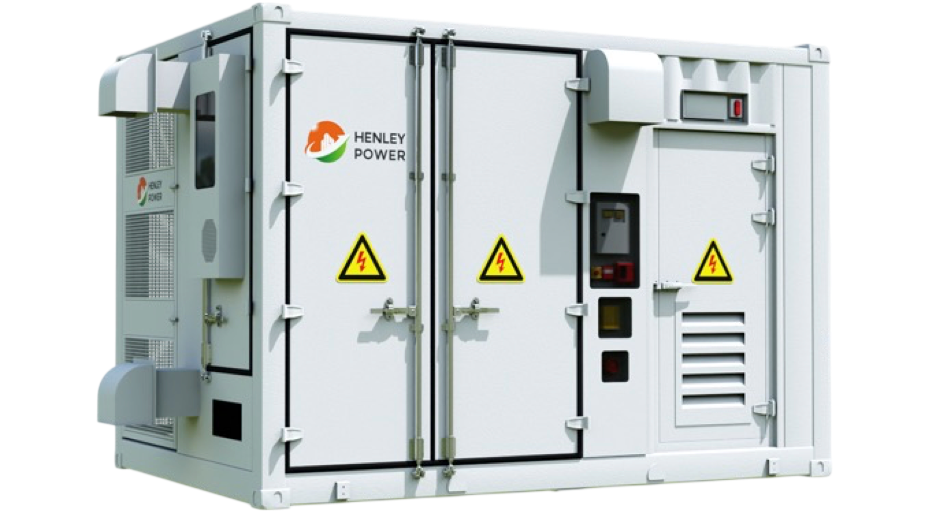
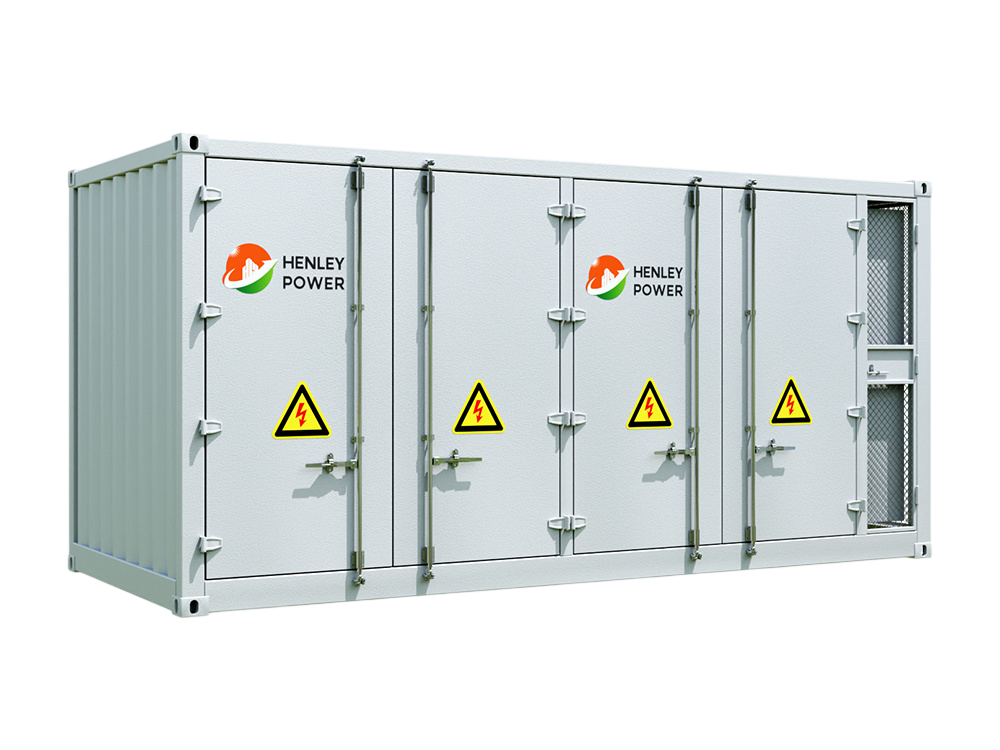
The municipal customer’s sizing question wasn’t whether to deploy storage. It was how to size a system that could capture both the tariff arbitrage and the township-level grid support contribution that Shandong’s first-in-China energy storage spot-market policy (issued by the provincial regulator in August 2022) recognises as a separately compensable service. The engineering team landed on 90 MWh of energy at 45 MW rated power — 18 × HLY-BESS-Utility-5MWh blocks at 2-hour duration with per-block fault isolation — sized to absorb a meaningful share of midday solar excess and re-deliver it into the evening peak window across multiple Dezhou substation feeders. The 2-hour duration matches the structure of Shandong’s evening peak block under the dispatch operator’s window allocation, not a generic 4-hour utility BESS template. Factory acceptance testing was conducted at Henley’s Dezhou site under the customer’s engineering supervision; site acceptance testing followed on connection to the regional MV bus, subject to dispatch operator qualification for the ancillary services revenue stack. The province’s continental climate (winter lows below freezing, summer highs above 35 °C) drove liquid-cooled thermal management as the platform default. Frequency regulation, capacity firming, and AGC participation sit on the same revenue stack alongside arbitrage. NDRC’s third-supervision-cycle transmission and distribution tariff framework, issued in May 2023 to govern the 2023–2025 period, clarifies capacity-fee passthrough mechanics for the project’s revenue stack.
What got Henley Power selected wasn’t price, and the customer’s procurement team made that explicit during tender review. Hometown deployment mattered: the customer needed regulatory familiarity and on-the-ground engineering response that an out-of-province supplier can’t shortcut. Two of the four shortlisted bidders were BloombergNEF-listed integrators with national footprints; Henley Power was selected on platform fit, contracting structure, and the proximity factor. Documentation depth supplied at award included IEC test reports under NDA, multi-supplier cell homologation evidence, FSR documentation aligned to the project’s revenue stack, and project-finance-grade warranty mechanics. Cell sourcing follows Henley Power’s standard: multi-supplier homologated LFP from publicly listed Tier-1 cell manufacturers, documented under NDA in the project bankability dossier and never on public pages. The Shandong Dezhou project moved under parent-guarantee pathway aligned with the municipal customer’s regulated procurement framework, with insurance-backed pathway preserved as a contract option for institutionally-backed re-financing rounds. The system was commissioned in 2025 and has been operating since the Q3 commissioning window, collecting day-ahead spread realization, capacity payment subsidy capture, and grid support availability telemetry for the joint Q3 2026 24-month performance disclosure window.
PAIN POINTS ADDRESSED
01
02
03
SITE DOCUMENTATION

PROJECT FAQ
Related Henley Power products
Related projects