PROJECT OVERVIEW
The plant sits in Ningxia Hui Autonomous Region, in the Sanbei renewable corridor where solar irradiance ranks among the top three Chinese provinces and where transmission to the central and eastern load centers — not generation — has been the binding constraint for years. By 2022 the operator’s 100 MW PV plant was running into a familiar problem. Solar curtailment in Ningxia stayed in single-digit annual averages but ran materially higher at midday peak hours during high-irradiance months because the provincial grid couldn’t move the noon output to where demand actually was. At the same time, the National Development and Reform Commission’s 14th Five-Year Plan rules required new utility-scale renewables in the region to pair with storage at 10–20% of nameplate, and Ningxia’s own provincial grid services market had matured enough by 2023 that frequency regulation and capacity firming became viable revenue layers on top of a generation PPA. Time-of-use tariff structures in the province had widened in parallel: the spread between midday valley and evening peak pricing crossed thresholds that justified storage on energy arbitrage alone, before any ancillary services revenue layered on top. The operator’s PV PPA covered base energy delivery. It didn’t cover the curtailed MWh, the depressed valley pricing on the MWh that did reach the grid, or the revenue available from ancillary services participation.
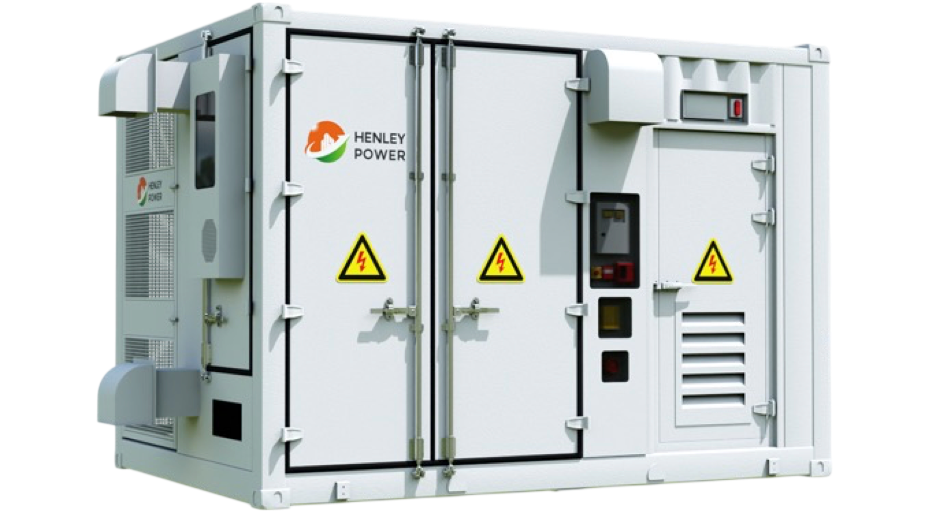
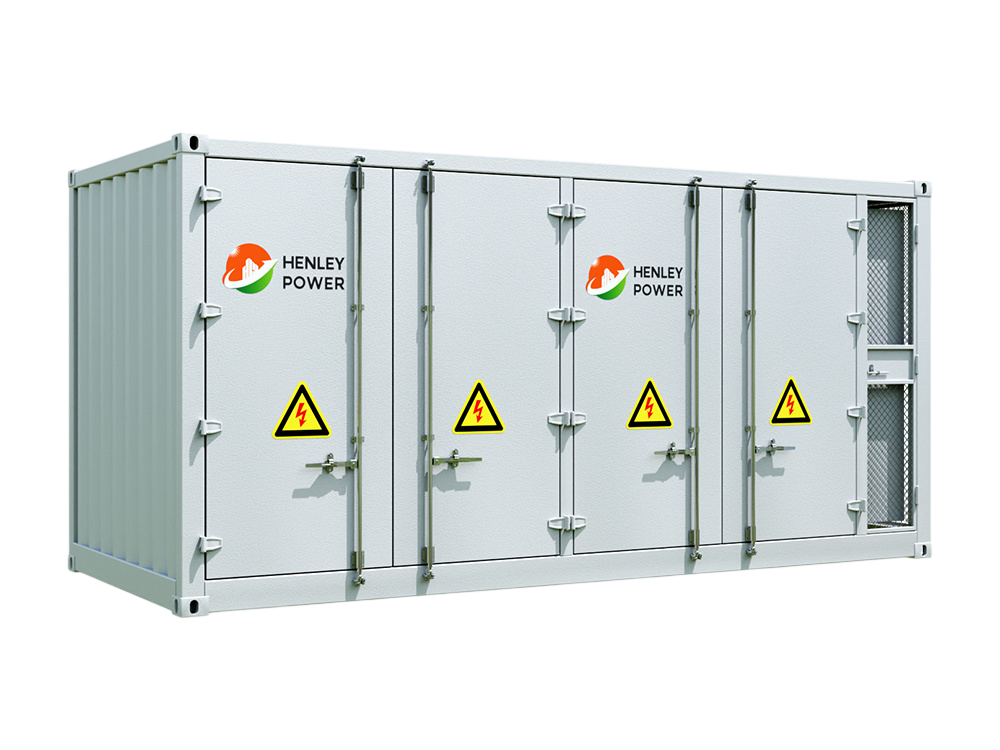
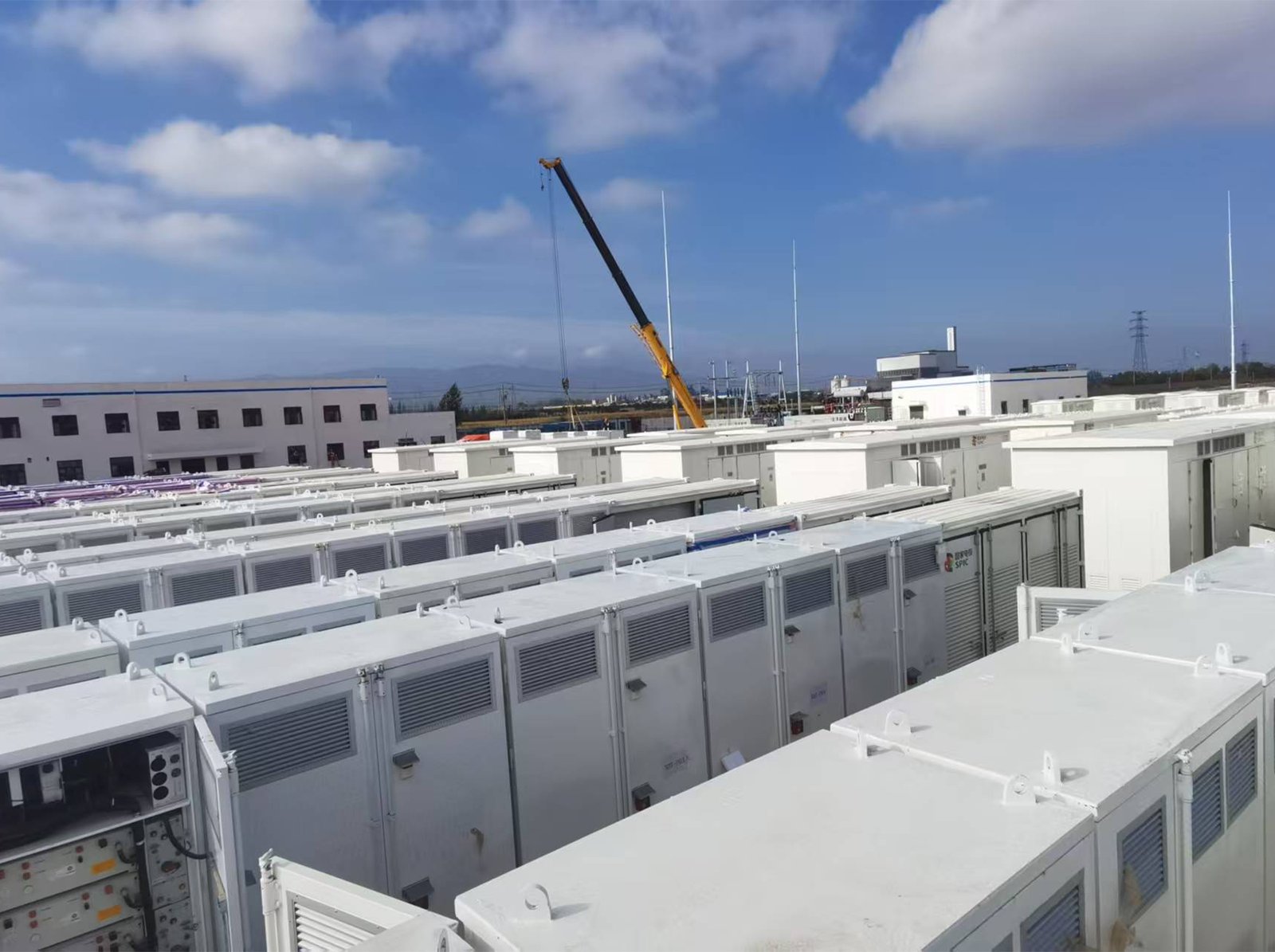
Standard PV co-location designs in 2023 sized BESS at the 10–20% mandatory minimum — for a 100 MW PV plant, that’s 10–20 MW of storage. The operator went much further. The tender specified 500 MWh of energy at 200 MW BESS rated power, 2.5-hour discharge, meaningfully oversized relative to the PV plant’s nameplate. The reason wasn’t PV smoothing alone. It was revenue stacking. A 200 MW / 500 MWh BESS clears the threshold for full participation in Ningxia’s regional ancillary services market — frequency regulation, primary frequency response, capacity firming — while still sized to absorb the entire PV plant’s daily generation and time-shift it into the evening peak window. Henley Power’s HLY-BESS-Utility-5MWh platform fit cleanly: 100 containerized blocks in parallel, grouped into 5 PCS array clusters at the plant’s medium-voltage collector bus, with grid-following operation and per-block fault isolation. Liquid-cooled thermal management was the right call for Ningxia’s continental climate — summer ambient runs above 35 °C and winter drops well below freezing, both inside the platform’s operating envelope. It’s the same containerized architecture deployed at the Inner Mongolia mining BESS, sized differently for a different load profile.
What got Henley Power selected over the externally-rated integrators on the shortlist wasn’t price alone. Two of the four shortlisted bidders carry external manufacturer rating-tier listings. The operator’s project finance team needed documentation depth: IEC test reports under NDA, multi-supplier cell homologation records, parent-warranty mechanics with named insurer fallback, and FSR documentation aligned to the project’s domestic Chinese commercial bank financing structure. Henley Power’s contracting position is direct manufacturer-to-buyer: one signatory, one warranty chain, one accountability path. Cell sourcing is multi-supplier homologated automotive-grade LFP from publicly listed manufacturers — specific suppliers documented under NDA in the project bankability dossier, never on public pages. The Ningxia operator opted into the parent-guarantee pathway given the domestic project finance structure, with an option to convert to insurance-backed warranty if the asset is later refinanced or sold to an institutional buyer. Pre-commissioning testing followed the platform’s standard sequence: factory acceptance test on each containerised block, site acceptance test post-installation, and a grid-following endurance run before commercial operation.
PAIN POINTS ADDRESSED
01
02
03
SITE DOCUMENTATION
PROJECT FAQ
Related Henley Power products
Related projects